Spirulina and chlorella are two popular algae supplements that have gained significant attention in the wellness community. Many people wonder which one deserves a place in their daily routine.
Both offer impressive nutritional profiles packed with protein, vitamins, minerals, and antioxidants. They differ in meaningful ways that can influence which option works best for individual health goals.
Chlorella contains higher levels of omega-3 fatty acids, vitamin A, iron, and chlorophyll. Spirulina typically offers more protein and is often more affordable.
The choice between these two superfoods depends on specific health objectives, nutritional needs, and individual responses to supplementation.
Understanding the key differences between spirulina and chlorella helps consumers make informed decisions. This comparison examines their nutritional compositions, health benefits, safety considerations, and practical guidance for incorporating either or both into a balanced diet.
What Are Spirulina and Chlorella?
Spirulina and chlorella are microscopic algae that have become popular superfoods in the supplement market. These nutrient-dense organisms differ in their biological classification, cultivation methods, and the forms in which they’re available to consumers.
Origins and Classification
Spirulina is a blue-green algae that grows naturally in alkaline lakes and warm, mineral-rich waters in tropical and subtropical regions. It belongs to the cyanobacteria family and has been consumed for centuries by civilizations such as the Aztecs.
The most common species used in supplements are Arthrospira platensis and Arthrospira maxima.
Chlorella is a single-celled green algae that thrives in freshwater environments. It belongs to the phylum Chlorophyta and contains a true nucleus, making it more complex than spirulina at the cellular level.
Chlorella has a tough cell wall that requires special processing to make its nutrients bioavailable to humans.
The key distinction is that spirulina is technically a bacterium despite being classified as blue-green algae. Chlorella is a true green algae.
How They Are Grown and Processed
Spirulina is cultivated in large outdoor ponds or controlled indoor tanks with carefully monitored pH levels and temperature. The cultivation process is relatively straightforward because spirulina lacks a rigid cell wall.
After harvesting, it’s typically spray-dried or freeze-dried to preserve nutrients.
Chlorella cultivation requires freshwater systems with controlled light exposure and nutrient levels. The processing is more complex and expensive because the algae’s tough outer cell wall must be broken down through mechanical methods or specialized techniques.
This additional processing step makes chlorella supplements generally more costly than spirulina products.
Both algae are harvested, cleaned, and dried to create the raw material for various supplement forms.
Forms and Types of Supplements
These superfoods are available in several convenient formats:
Powders are the most versatile form and can be mixed into smoothies, juices, or water. They offer the highest concentration per serving and allow for flexible dosing.
Tablets provide a compressed, easy-to-swallow option without the strong taste that some people find off-putting in powder form. They’re portable and have pre-measured doses.
Capsules contain the algae powder in a gelatin or vegetarian shell, offering the most tasteless consumption method. They’re ideal for those sensitive to the distinctive flavor of these supplements.
Both spirulina and chlorella are also sometimes incorporated into energy bars, protein powders, and other functional food products.
Nutritional Comparison: Spirulina vs Chlorella
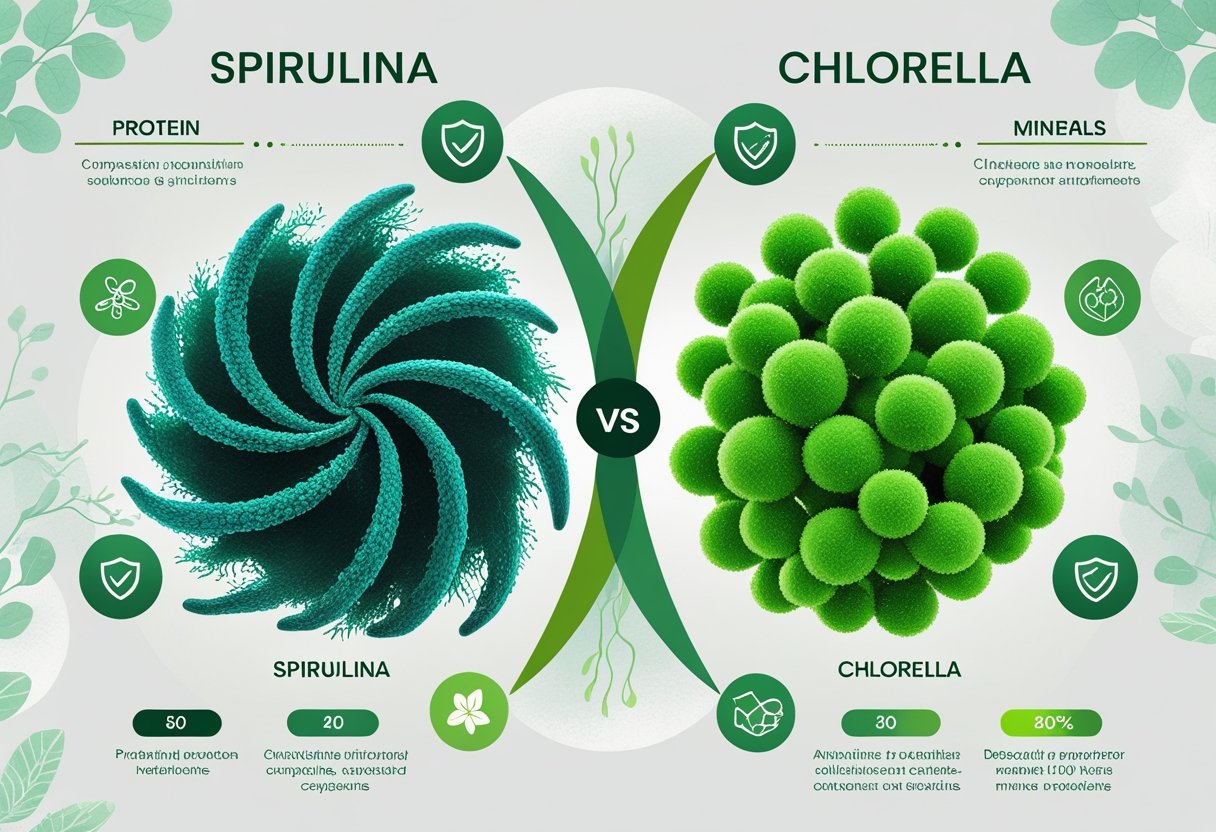
Both spirulina and chlorella deliver impressive nutrient density, though their specific vitamin, mineral, and fatty acid profiles differ. Spirulina typically provides slightly more protein per serving, while chlorella offers higher levels of certain minerals and omega-3 fatty acids.
Macronutrient Profiles
Spirulina and chlorella both serve as concentrated sources of plant-based protein. A 28-gram serving of spirulina contains approximately 16 grams of protein, while chlorella provides around 14-16 grams depending on the strain.
The protein in both algae qualifies as complete protein, containing all nine essential amino acids in adequate proportions. This makes them valuable for those seeking plant-based protein alternatives.
Chlorella contains more calories and fat per serving compared to spirulina. The fat content in chlorella includes higher levels of omega-3 fatty acids, particularly alpha-linolenic acid (ALA).
Spirulina contains more omega-6 fatty acids relative to omega-3s. Both algae are relatively low in carbohydrates, with most of their calories coming from protein.
Vitamins and Minerals
Chlorella delivers significantly more iron than spirulina, with approximately 130 mg per 100 grams compared to spirulina’s 28.5 mg. It also provides higher amounts of vitamin A (as beta-carotene), riboflavin, magnesium, and zinc.
Spirulina contains more thiamine (vitamin B1) and copper. Both algae provide B vitamins, though neither is a reliable source of vitamin B12 in bioavailable form for humans.
Some spirulina products list vitamin B12, but this typically exists as inactive analogs that the body cannot utilize effectively. Neither algae naturally contains significant vitamin K.
The vitamin and mineral content can vary based on growing conditions and processing methods.
Protein Quality and Amino Acids
The amino acid profiles of both spirulina and chlorella include all essential amino acids necessary for human health. Research indicates spirulina may contain up to 10% more protein by weight than chlorella, depending on the specific strain analyzed.
Both algae offer highly digestible protein that the body absorbs efficiently. The amino acids are available in forms that support muscle synthesis, immune function, and cellular repair.
Some studies suggest spirulina’s protein digestibility rates exceed 80%. The branched-chain amino acids (leucine, isoleucine, and valine) appear in both algae in amounts that support athletic recovery and muscle maintenance.
Unique Antioxidants and Pigments
Chlorella contains substantially more chlorophyll than spirulina, giving it stronger detoxification properties. This high chlorophyll content contributes to chlorella’s deep green color and its reputation for supporting natural cleansing processes.
Spirulina provides phycocyanin, a blue pigment with potent antioxidant and anti-inflammatory properties. This compound gives spirulina its characteristic blue-green appearance and offers protective effects against oxidative stress.
Both algae contain carotenoids, though chlorella delivers more lutein and beta-carotene. These compounds support eye health and provide vitamin A precursors.
The antioxidant profiles of both algae help neutralize free radicals and reduce cellular damage.
Health Benefits of Spirulina
Spirulina provides several research-backed health benefits, from boosting energy levels to supporting cardiovascular function. Its dense nutrient profile and high antioxidant content make it particularly effective for immune support and reducing inflammation.
Energy and Endurance Support
Spirulina serves as an effective supplement for energy boost and endurance enhancement. Studies show that its high protein content and B-vitamin profile help combat fatigue during physical activities.
The algae contains all essential amino acids, which support muscle recovery and sustained energy production. Research indicates that spirulina supplementation can improve exercise performance.
Athletes who consume spirulina regularly experience delayed fatigue and increased time to exhaustion during workouts. The iron and magnesium in spirulina also contribute to oxygen transport and energy metabolism at the cellular level.
NASA selected spirulina as a dietary supplement for astronauts during space missions specifically due to its concentrated nutrients and energy-supporting properties.
Immune System Enhancement
Spirulina strengthens immune system function through multiple mechanisms. The algae stimulates the production of antibodies and other infection-fighting proteins.
Its polysaccharide content activates natural killer cells and increases the body’s resistance to infections. Regular spirulina consumption enhances the activity of immune cells, including macrophages and T-cells.
These cells play critical roles in identifying and eliminating pathogens. Studies show that people taking spirulina experience fewer colds and flu-like symptoms compared to those not supplementing.
The algae also contains phycocyanin, a pigment-protein complex unique to blue-green algae that provides significant immune-boosting effects.
Heart Health and Cholesterol
Spirulina demonstrates notable benefits for cardiovascular health and cholesterol management. A 3-month study involving 52 people with high cholesterol found that taking 1 gram of spirulina daily lowered triglycerides by approximately 16% and LDL cholesterol by about 10%.
Blood pressure levels also respond positively to spirulina supplementation. Research with 36 participants showed a 6-8% reduction in blood pressure after consuming 4.5 grams daily for six weeks.
The omega-6 fatty acids and antioxidants in spirulina protect blood vessels from oxidative damage. This protection helps maintain healthy arterial function and reduces the likelihood of cardiovascular complications.
Antioxidant and Anti-Inflammatory Effects
Spirulina ranks among the most potent sources of antioxidants available in supplement form. Phycocyanin, its primary active compound, neutralizes free radicals and prevents oxidative stress at the cellular level.
This pigment gives spirulina its blue-green color and accounts for many of its therapeutic properties. Studies on people with chronic obstructive pulmonary disease found that consuming 1-2 grams of spirulina daily increased blood levels of the antioxidant enzyme superoxide dismutase by up to 20%.
Vitamin C levels rose by up to 29%, while markers of oxidative stress decreased by up to 36%. The anti-inflammatory properties of spirulina help reduce chronic inflammation throughout the body.
This inflammation reduction benefits multiple systems, from joint health to metabolic function. Spirulina inhibits the release of histamine and other inflammatory mediators, providing relief from inflammatory conditions.
Health Benefits of Chlorella
Chlorella stands out for its ability to bind heavy metals and support the body’s natural detoxification processes. This green algae also delivers substantial amounts of iron and vitamin B12 while providing cardiovascular and antioxidant support.
Detoxification and Toxin Removal
Chlorella demonstrates superior capability in binding and removing heavy metals from the body compared to other algae supplements. The tough cell wall of chlorella acts as a binding agent for toxins including mercury, lead, and cadmium, helping eliminate them through natural waste processes.
Research indicates that chlorella may support the liver’s natural detoxification functions. The high chlorophyll content in chlorella plays a role in this detoxifying process by promoting the removal of environmental toxins and dioxins from tissues.
People who want natural detox support often turn to chlorella specifically for these binding properties. The algae works by attaching to heavy metals in the digestive tract before they enter the bloodstream.
Individual results vary based on exposure levels and overall health status.
Support for Blood and Oxygen Transport
Chlorella contains approximately six times more iron per serving than spirulina, providing about 12 mg in a 2-teaspoon serving. This represents roughly 70% of the daily value for iron, making it a significant plant-based source of this essential mineral.
The iron in chlorella is non-heme iron, the type found in plant foods. While non-heme iron absorbs less efficiently than heme iron from animal sources, the vitamin C content in chlorella may help enhance absorption.
Chlorella also provides substantial vitamin B12, with approximately 15 micrograms per serving. Vitamin B12 supports red blood cell formation and helps prevent certain types of anemia.
These nutrients help support oxygen transport throughout the body. People with diagnosed deficiencies should consult healthcare providers for appropriate treatment.
Cardiovascular Support
Studies show that chlorella may improve cardiovascular risk factors by affecting blood lipid composition and blood pressure levels. The algae contains heart-healthy polyunsaturated fatty acids, particularly omega-3 fatty acids, which support vascular health.
Regular consumption of chlorella has been associated with improved cholesterol profiles in some research. The antioxidants and minerals present in chlorella contribute to these effects by reducing oxidative stress on blood vessels.
Chlorella may also help with blood sugar control, which indirectly supports heart health. Improved insulin sensitivity and reduced blood glucose levels have been observed in studies examining chlorella supplementation.
Antioxidant Properties
Chlorella provides substantial antioxidant capacity through its rich polyphenol content and high concentrations of beta-carotene. With 2,920 IU of vitamin A per 2-teaspoon serving, chlorella delivers about 60% of daily vitamin A needs, primarily as beta-carotene.
These antioxidants neutralize harmful free radicals that damage cells and contribute to aging and disease processes. The chlorophyll content in chlorella adds to its antioxidant profile, providing additional protection against oxidative stress.
Side Effects and Safety Considerations
Both spirulina and chlorella are generally safe for most people, but they can cause adverse reactions in certain individuals. Common issues include digestive discomfort, allergic responses, contamination concerns, and interactions with specific medications.
Potential Digestive Reactions
Digestive side effects are the most frequently reported issues with both supplements. Common symptoms include abdominal cramping, bloating, diarrhea, flatulence, green stools, and nausea.
Chlorella tends to cause more digestive problems than spirulina due to its tough cell wall structure. This harder-to-digest exterior can be particularly problematic for individuals with irritable bowel syndrome or sensitive digestive systems.
Spirulina has a thinner cell wall that typically proves easier to digest. Starting with smaller doses and gradually increasing intake can help minimize these digestive reactions.
The body often needs time to adjust to these algae supplements. A slower introduction allows the digestive system to adapt.
Allergies and Sensitivities
Severe allergic reactions, though less common than digestive issues, pose serious health risks. Both supplements can trigger responses ranging from mild skin reactions to severe complications like asthma and anaphylaxis.
Individuals with seafood allergies may be more susceptible to reactions from these algae supplements. Anyone experiencing symptoms such as difficulty breathing, swelling, or skin rashes should discontinue use immediately and seek medical attention.
People with autoimmune conditions should avoid these supplements entirely, as they may stimulate the immune system and potentially worsen symptoms. The immune-boosting properties that benefit healthy individuals can create complications for those with overactive immune responses.
Heavy Metal Contamination Risks
Contamination with heavy metals and toxins represents a significant safety concern with algae supplements. Both spirulina and chlorella can absorb harmful substances from the water in which they grow, including mercury, lead, and other toxic metals.
Children under 18 should avoid these supplements without medical supervision due to contamination risks. Heavy metals can negatively impact growth and development in young individuals.
Purchasing from reputable manufacturers who conduct third-party testing helps minimize contamination risks. Quality supplements should include certificates of analysis confirming they are free from harmful levels of toxins and heavy metals.
Interactions with Medications
Both supplements can interact with several medication types, potentially reducing effectiveness or causing harmful effects. Blood thinners represent a primary concern, as both algae may affect blood clotting mechanisms.
People taking blood sugar-lowering medications or those with diabetes should exercise caution, as both spirulina and chlorella can reduce blood glucose levels. This effect may lead to dangerously low blood sugar when combined with diabetes medications.
Immunosuppressant medications like Humira can be counteracted by these supplements due to their immune-stimulating properties. Pregnant and breastfeeding individuals should also avoid these supplements due to insufficient safety data for these populations.
How to Choose and Use: Dosage, Forms, and Practical Tips
Both spirulina and chlorella come in various forms with different dosage recommendations based on individual needs and health goals. Understanding proper amounts, choosing between available formats, and learning practical ways to incorporate these algae into daily routines helps maximize their potential benefits.
Recommended Dosage and Guidelines
The typical dosage for spirulina and chlorella ranges from 1 to 8 grams per day, with most people taking 3 to 5 grams as a maintenance dose. Dosage is measured in grams, not servings or scoops.
Beginners should start with 500mg and gradually increase the amount every few days. This incremental approach allows the body to adapt and minimizes digestive issues like nausea, cramping, or diarrhea.
Moving up in 500mg increments daily or every few days works well for most people. Higher therapeutic doses of 6 to 9 grams per day may be appropriate for specific health conditions, but these amounts should be discussed with a healthcare provider.
Taking both supplements simultaneously requires extra attention to total intake since their benefits overlap. When taking both spirulina and chlorella together, the combined dosage should stay within the 1 to 8 gram daily range.
A 50-50 split works for many people who want benefits from both algae.
Powder, Tablets, and Capsules: Pros and Cons
Powder Form
- Contains the least processing and purest form of the algae
- Typically costs less per gram than tablets or capsules
- Requires measuring and mixing into foods or drinks
- Has a strong taste that some people find unpleasant
- One teaspoon contains 1 to 3 grams depending on how packed it is
Tablets
- Come in standard sizes (250mg, 500mg, or 1000mg)
- Easy to take with water at any time
- No taste concerns or meal planning needed
- Slightly more processed than pure powder
- More expensive per gram than powder
Capsules
- Similar convenience to tablets
- Masks taste completely
- Often the most expensive option
- May have the highest level of processing
Adding Spirulina and Chlorella to Your Diet
Spreading the daily dose throughout the day improves absorption and reduces digestive discomfort. A 3-gram dose works well split into two 1.5-gram portions or three 1-gram portions.
Smoothies and Juices
The powder form blends easily into smoothies with fruits, vegetables, and plant-based liquids. Green smoothies with leafy greens, banana, and berries help mask the algae flavor.
Both spirulina and chlorella turn beverages dark green and add an earthy taste.
Timing Considerations
Tablets and capsules can be taken with or without food. Some people prefer taking them with meals to minimize stomach upset, while others find an empty stomach works better.
Morning consumption may provide energy benefits. Timing flexibility allows for personal preference.
Important Note
Dairy products should be avoided when consuming these algae in smoothie form. The powder heavily alters both color and flavor of any food or drink it touches.
Which Is Better? Making the Right Choice for Your Needs
Neither algae is universally superior; the better choice depends on specific health goals. Spirulina excels in protein content and may offer quick energy, while chlorella provides superior detoxification support and higher levels of certain vitamins.
Best for Energy and Endurance
Spirulina stands out as the preferred choice for those seeking sustained energy and improved physical performance. Its thinner cell wall allows for faster absorption, delivering approximately 4 grams of complete protein per tablespoon that includes all essential amino acids.
The bioavailability of this protein means the body can utilize it efficiently for muscle recovery and energy production. Athletes and active individuals benefit from spirulina’s high concentration of B vitamins, particularly thiamin (14% DV per serving), which plays a crucial role in converting food into usable energy.
The algae also contains gamma-linolenic acid (GLA), an omega-6 fatty acid that may reduce exercise-induced inflammation. Research indicates both superfoods support exercise performance, but spirulina’s easier digestibility gives it an edge for pre-workout or daily supplementation.
Those with sensitive digestive systems find spirulina gentler on the stomach. This allows consistent use without discomfort that might interrupt training routines.
Best for Detoxification
Chlorella dominates in detoxification capacity due to its unique cellular structure and composition. The algae contains a special compound called Chlorella Growth Factor (CGF) that supports cellular repair and liver function.
Its tough outer cell wall binds to heavy metals like mercury, lead, and cadmium, facilitating their removal from the body. Studies demonstrate chlorella’s superior ability to eliminate dioxins and other environmental toxins compared to spirulina.
The algae provides 70% of daily iron needs per 2-teaspoon serving, supporting the body’s natural detox pathways through enhanced oxygen transport and liver health. Natural detox protocols often feature chlorella as the primary agent because it contains significantly higher chlorophyll levels than spirulina.
This green pigment assists in cleansing the blood and supporting the elimination of accumulated toxins. Individuals exposed to environmental pollutants or those seeking to support liver health should prioritize chlorella supplementation.
Best for Heart and Immune Health
Both algae offer substantial cardiovascular health benefits, though through different mechanisms. Spirulina provides 73.5 mg of sodium and 95.2 mg of potassium per tablespoon, supporting healthy blood pressure regulation.
Studies show both reduce blood glucose levels and improve insulin sensitivity, key factors in preventing heart disease.
The immune system receives robust support from either option. Spirulina contains phycocyanin, a potent antioxidant that enhances immune cell activity and reduces inflammation.
Chlorella offers 2,920 IU of vitamin A (60% DV), essential for maintaining healthy immune responses and protecting mucous membranes.
For omega-3 support, chlorella contains higher levels of these anti-inflammatory fatty acids. Spirulina provides more omega-6s.
The polyphenols in each type neutralize free radicals that contribute to cardiovascular aging and immune dysfunction.