Ginseng supplements consistently rank among the most popular herbal products worldwide. Yet confusion persists about what they actually do for the body.
This ancient root has been used in traditional medicine for centuries. Modern research reveals a more nuanced picture of its effects than marketing claims might suggest.
Ginseng supplements primarily work as adaptogens that may help the body manage stress, support immune function, improve mental focus, and regulate blood sugar levels, though the strength of evidence varies across these benefits. The active compounds called ginsenosides appear responsible for most of these effects.
Results depend heavily on the type of ginseng used and individual factors. Understanding the science behind ginseng requires looking beyond simplified health claims.
Different varieties work in different ways. Research demonstrates that safe and effective use depends on the type of supplement and individual needs.
What Are Ginseng Supplements?
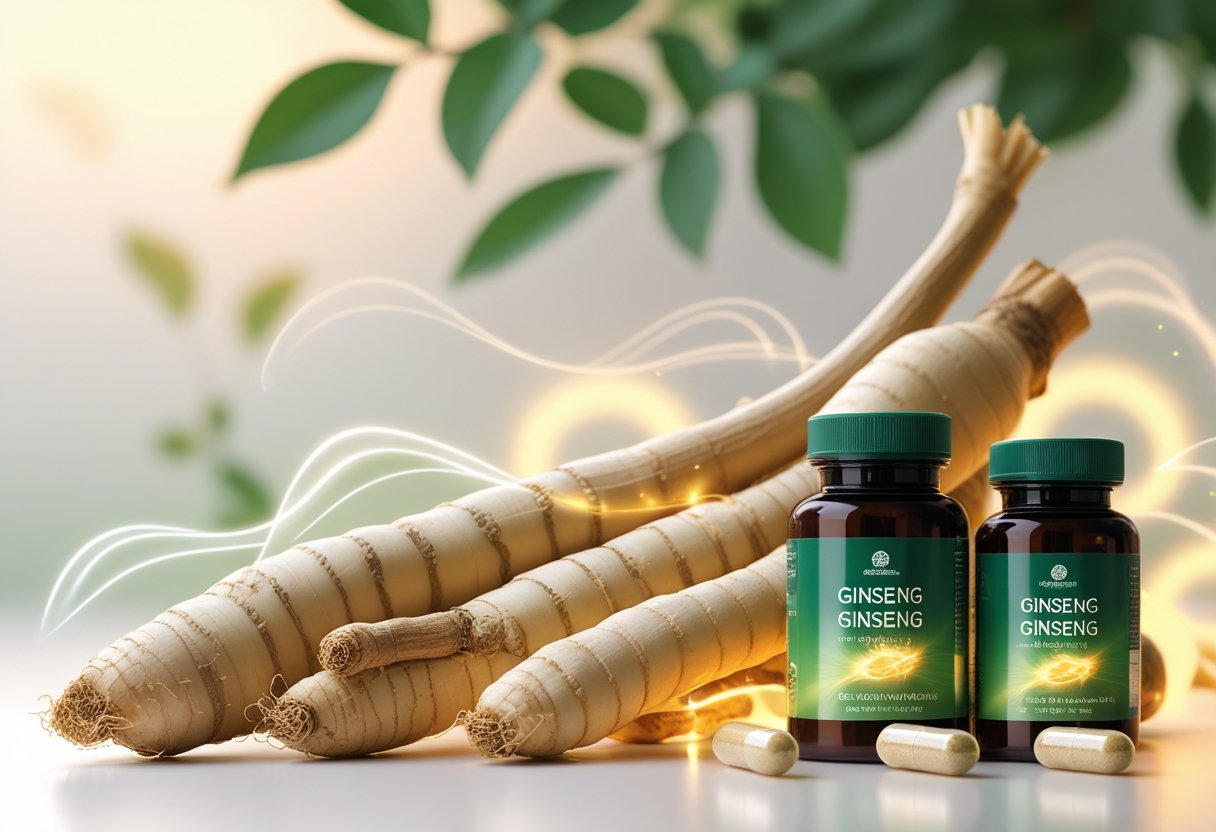
Ginseng supplements are dietary products derived from the roots of plants in the Panax genus. They are primarily used to support energy levels and overall health.
These herbal supplements contain active compounds that manufacturers extract and process into various consumable forms. Ginseng supplements are concentrated preparations made from the ginseng root, a slow-growing plant with fleshy roots.
The two main varieties found in supplements are Asian ginseng (Panax ginseng) and American ginseng (Panax quinquefolius). These dietary supplements differ from consuming raw ginseng root.
Manufacturers process the plant material to create standardized products with consistent potency. The root itself has a light-colored, forked appearance and grows slowly over several years before harvest.
Supplement manufacturers often specify the type of ginseng and concentration of active ingredients on product labels. Quality can vary significantly between brands, with some products containing minimal amounts of actual ginseng or including unlisted ingredients.
Forms and Preparations
Ginseng supplements come in multiple formats to suit different preferences. Capsules and tablets represent the most common form, offering pre-measured doses and convenient consumption.
Powdered extracts allow users to add ginseng to food or beverages for flexible dosing. Liquid extracts and tinctures provide concentrated ginseng in an alcohol or glycerin base.
Tea preparations use dried ginseng root or powdered forms steeped in hot water. Some products feature standardized ginseng extract, which guarantees specific percentages of active compounds.
Raw or dried ginseng root remains available for those who prefer traditional preparation methods. People can peel and chew the root directly or incorporate it into cooking.
Active Compounds in Ginseng
Ginsenosides serve as the primary active compounds in ginseng supplements and are responsible for most of the herb’s biological effects. These chemical components belong to a class of steroid-like substances unique to ginseng plants.
Research focuses on ginsenosides because they interact with various pathways in the body, including immune system regulation and cellular energy production. Polysaccharides represent another important compound group in ginseng root.
These complex carbohydrates may contribute to immune system support and other health effects. The concentration of ginsenosides varies depending on the ginseng species, age of the root, and processing methods.
Red ginseng, which undergoes steaming and drying, contains different ginsenoside profiles compared to white ginseng. Manufacturers typically standardize ginseng extract to contain specific percentages of total ginsenosides, usually ranging from 2% to 7%.
Types of Ginseng and Their Differences
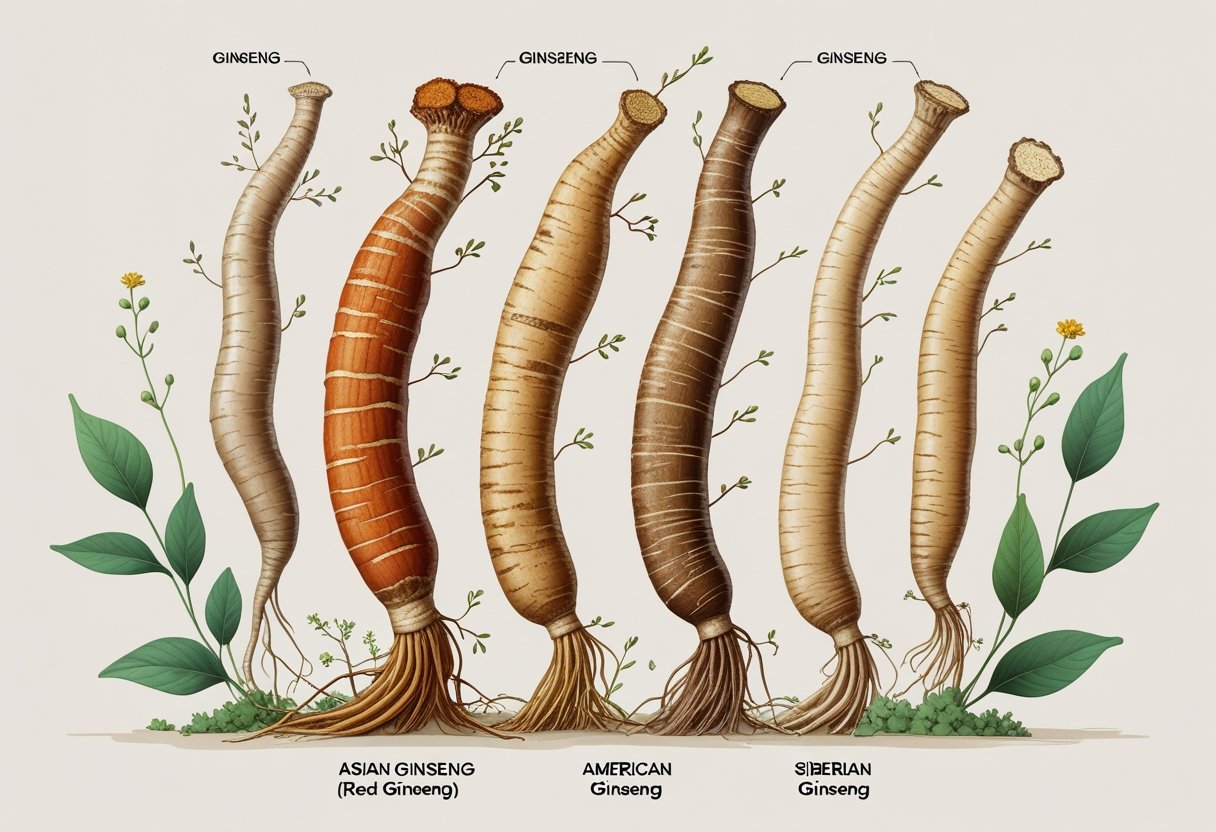
The three main types of ginseng—Asian, American, and Siberian—contain different active compounds and produce distinct effects on the body. Asian ginseng tends to be more stimulating, American ginseng offers calming properties, and Siberian ginseng provides adaptogenic support without belonging to the true ginseng family.
Asian Ginseng vs. American Ginseng
Asian ginseng (Panax ginseng) and American ginseng (Panax quinquefolius) both belong to the Panax genus and contain ginsenosides as their primary active compounds. The key difference lies in their effects on the body.
Asian ginseng is native to Korea and northeastern China and is known for its energizing properties. It supports physical stamina, mental alertness, and may help combat fatigue.
The ginsenosides in Asian ginseng are thought to stimulate the nervous system and boost energy metabolism. American ginseng grows in the eastern United States and parts of Canada.
It produces more calming effects compared to its Asian counterpart. This variety may help reduce stress and promote relaxation while still supporting cognitive function and energy levels.
The gentler action makes it suitable for individuals sensitive to stimulation or those seeking balanced support throughout the day. Both varieties contain ginsenosides, but the ratio and specific types of these compounds differ between the two plants, contributing to their distinct therapeutic profiles.
Korean and Siberian Ginseng
Korean ginseng is another name for Asian ginseng (Panax ginseng), referring specifically to varieties cultivated in Korea. It contains ginsenosides and gintonin, which may support immune function, cognitive performance, and stress adaptation.
Siberian ginseng (Eleutherococcus senticosus) is not a true ginseng despite its common name. It belongs to a different plant genus and does not contain ginsenosides.
Instead, it contains eleutherosides as its active compounds. Key differences include:
- Plant family: Korean ginseng is Panax; Siberian ginseng is Eleutherococcus
- Active compounds: Ginsenosides vs. eleutherosides
- Effects: Korean ginseng is more stimulating; Siberian ginseng offers gentler adaptogenic support
Siberian ginseng may help build resilience to physical and mental stress without causing overstimulation. It is often used for supporting endurance and stamina in individuals seeking non-stimulant energy options.
Panax Ginseng and Other Varieties
Panax ginseng encompasses both Korean and Asian ginseng varieties and represents true ginseng species. Panax quinquefolius (American ginseng) is the other primary true ginseng variety used in supplements.
The Panax genus is characterized by the presence of ginsenosides, which distinguish these plants from other herbs marketed as ginseng. These compounds are believed to provide adaptogenic properties that help the body respond to stress and maintain balance.
Other varieties sometimes called ginseng, such as Siberian ginseng, are not part of the Panax family. This distinction matters because the therapeutic effects and mechanisms of action differ significantly between true ginsengs and ginseng-like herbs.
When selecting supplements, understanding whether a product contains true Panax ginseng or alternative varieties helps consumers match their choice to their specific health goals and tolerance for stimulation.
How Ginseng Supplements Work in the Body
Ginseng supplements function through multiple biological pathways, primarily by helping the body manage stress, protecting cells from damage, and modulating immune responses. The active compounds called ginsenosides interact with various systems to produce measurable physiological effects.
Ginseng as an Adaptogen
Ginseng operates as an adaptogen, meaning it helps the body respond to physical, mental, and environmental stressors. This adaptogenic property works through the hypothalamic-pituitary-adrenal (HPA) axis, which regulates stress hormone production.
When someone takes ginseng, the ginsenosides influence how the body releases and manages cortisol and other stress-related hormones. This regulation helps maintain equilibrium rather than simply stimulating or sedating the system.
The adaptogenic effects extend to energy metabolism at the cellular level. Ginseng supports the production of ATP (adenosine triphosphate), the primary energy currency in cells.
This mechanism explains why users report sustained energy without the crash associated with stimulants like caffeine. Different ginseng types display varying adaptogenic strengths.
Asian ginseng (Panax ginseng) tends to have stronger stimulating properties, while American ginseng (Panax quinquefolius) produces more gentle, cooling effects.
Role of Antioxidants and Anti-Inflammatory Effects
Ginseng contains potent antioxidant compounds that neutralize free radicals and reduce oxidative stress in tissues. The ginsenosides increase the activity of endogenous antioxidant enzymes like superoxide dismutase and catalase.
Red ginseng, which undergoes a specific preparation process through steaming and drying, demonstrates particularly strong antioxidant activity. These antioxidant properties protect cellular structures including DNA, proteins, and lipid membranes from damage.
The anti-inflammatory effects occur through the modulation of inflammatory signaling pathways. Ginseng compounds inhibit the production of pro-inflammatory cytokines such as TNF-α and IL-6.
This mechanism supports cardiovascular health and helps maintain healthy blood pressure levels. Research shows that regular ginseng supplementation can reduce markers of oxidative stress in blood tests.
The anti-inflammatory action also contributes to metabolic health by supporting insulin sensitivity and healthy blood sugar regulation.
Interactions with the Immune System
Ginseng modulates immune system function by interacting directly with immune cells including macrophages, natural killer cells, and T lymphocytes. These interactions enhance the body’s ability to mount appropriate immune responses when challenged.
The ginsenosides stimulate the production of immune signaling molecules called cytokines, which coordinate immune cell activity. This stimulation helps the immune system recognize and respond to potential threats more effectively.
Studies demonstrate that ginseng can increase antibody production and enhance phagocytic activity, where immune cells engulf and destroy pathogens. These effects occur without over-stimulating the immune system, which could lead to excessive inflammation.
The immunomodulatory properties vary based on preparation method. Fermented ginseng shows enhanced bioavailability, allowing the active compounds to be absorbed more efficiently and interact with immune cells more effectively than non-fermented forms.
Core Health Benefits of Ginseng Supplements
Ginseng supplements deliver measurable effects across three primary areas: energy production, brain function, and glucose metabolism. Research demonstrates specific mechanisms through which the active compounds ginsenosides and gintonin influence these bodily systems.
Energy Boost and Fighting Fatigue
Ginseng supplements help reduce fatigue through multiple biological pathways. The polysaccharides and oligopeptides in ginseng lower oxidative stress while increasing cellular energy production, which directly combats tiredness at the metabolic level.
Clinical studies show that ginseng supplementation produces significant improvements in chronic fatigue symptoms within 15 days of use. For cancer-related fatigue specifically, doses of 2,000 mg daily of American ginseng or 3,000 mg of Asian ginseng demonstrate effectiveness in reducing exhaustion.
A 2022 study found that American ginseng extract reduced exercise-induced muscle damage in physically active males. This effect occurs because ginseng’s anti-inflammatory properties help muscles recover faster after physical exertion, which contributes to sustained energy levels throughout the day.
Cognitive Function and Memory Support
Ginseng affects brain health through its antioxidant and anti-inflammatory properties. A study of 6,422 older adults revealed that consuming ginseng regularly for at least five years correlated with improved cognitive function in later life.
Working memory shows particularly strong responses to ginseng supplementation. Taking 200 mg of American ginseng improved working memory performance after just three hours compared to placebo in a controlled study.
The compounds in ginseng may also provide benefits for stress reduction, depression, and anxiety. These mental health effects complement the direct cognitive improvements, creating a comprehensive impact on brain function.
The herb influences mood and behavior alongside memory enhancement, making it useful for overall mental performance.
Regulating Blood Sugar Levels
Ginseng supplements demonstrate effectiveness in blood sugar management for people with and without diabetes. The herb improves pancreatic cell function, increases insulin production, and enhances glucose uptake in tissues.
An eight-week study showed that 3 grams daily of American ginseng significantly reduced fasting blood sugar levels in participants continuing their regular diabetes treatment. The same study found improvements in hemoglobin A1c, a marker measuring long-term blood sugar regulation over several months.
Both American and Asian ginseng varieties work to lower blood sugar through these mechanisms. People taking diabetes medications should monitor their blood sugar closely when adding ginseng supplements, as the combined effect may reduce glucose levels more than anticipated.
Additional Potential Benefits
Beyond its effects on energy and blood sugar, ginseng influences stress response mechanisms. It supports immune defenses against common infections and affects skin health through multiple pathways.
Adaptation to Stress
Ginseng functions as an adaptogen, helping the body maintain equilibrium during physical and mental stress. The ginsenosides in ginseng interact with the hypothalamic-pituitary-adrenal axis, which regulates stress hormones like cortisol.
Research suggests these compounds may help moderate the body’s stress response rather than simply suppressing it. Studies indicate ginseng may reduce stress-related symptoms and potentially offer benefits for mood-related conditions.
A 2017 review noted that ginseng could help ease stress and may provide support for individuals experiencing anxiety or low mood. The polysaccharides and oligopeptides in ginseng have been linked to lower oxidative stress at the cellular level, which accumulates during prolonged periods of physical or mental strain.
The recommended dosage for stress-related support typically ranges from 200 to 400 mg of standardized extract daily. Effects may develop gradually over several weeks of consistent use.
Immune Support and Common Colds
Ginseng demonstrates antimicrobial properties and enhances certain immune system functions. Research shows it possesses antibacterial, antifungal, and antiviral properties that may help the body defend against pathogens.
Clinical data reveals specific immune effects. A 2020 study found that 2 grams of Korean red ginseng daily for 8 weeks significantly increased immune cell levels compared to placebo.
Animal research showed black red ginseng extract increased immune cell numbers and enhanced antioxidant levels in liver tissue. While ginseng shows promise for general immune support, evidence specifically addressing cold and flu prevention remains limited.
The herb may help strengthen baseline immune function rather than treating active infections. People seeking immune support typically take 1 to 2 grams daily during seasons when respiratory infections are common.
Skin and Collagen Effects
Ginseng’s antioxidant properties extend to skin health applications. The ginsenosides in ginseng help protect against oxidative damage from environmental stressors and aging processes that affect skin appearance and structure.
Some evidence suggests ginseng may influence collagen production, though research in this area is still developing. The anti-inflammatory compounds in ginseng could theoretically support the skin’s structural protein synthesis, but direct human studies measuring collagen levels are scarce.
Traditional use and preliminary research indicate ginseng extract applied topically or consumed orally may improve skin hydration and texture. Ginseng extract appears in various skincare products, typically at concentrations of 1% to 5%.
For internal use targeting skin health, doses align with general recommendations of 200 to 400 mg daily of standardized extract.
Ginseng and Sexual Health
Ginseng has been used for centuries to address sexual concerns in men. Modern research examines its effects on erectile function and hormone levels.
Clinical studies suggest that certain compounds in ginseng may influence blood flow and testosterone production, though results vary depending on the type and dosage used.
Erectile Dysfunction and Sexual Performance
Studies have examined ginseng’s potential role in addressing erectile dysfunction through its effects on nitric oxide production. In one double-blind study, 45 men with moderate to severe erectile dysfunction showed improvement in erectile performance after taking 900 mg of Korean red ginseng three times daily for 8 weeks.
A similar trial involving 60 men reported enhanced erectile function, including rigidity and maintenance of erection, after 12 weeks of treatment with 1000 mg taken three times daily. The mechanism appears to involve ginsenosides, the active compounds in ginseng, which may help relax smooth muscle tissue in the corpus cavernosum and increase blood flow to erectile tissue.
Animal studies indicate that ginsenoside Rg1 specifically enhances nitric oxide release, which is necessary for achieving and maintaining erections.
Libido and Testosterone Support
Research on ginseng’s effects on sex drive and hormone levels shows mixed results. Some animal studies found that daily ginseng administration increased mounting behavior and testosterone levels, particularly with ginsenoside Rg1.
One clinical study with 66 participants reported increased plasma total and free testosterone, as well as elevated luteinizing hormone levels after using Asian ginseng extract. However, other research found no changes in testosterone or luteinizing hormone with American ginseng at certain doses.
The type of ginseng, dosage, and treatment duration appear to influence outcomes. Ginsenosides may also affect neurotransmitters like dopamine and acetylcholine, which play roles in sexual desire and arousal.
Safety, Side Effects, and Considerations
Asian ginseng appears safe for short-term use in most adults. Certain side effects and interactions require attention.
Long-term safety remains uncertain. Specific populations should avoid ginseng entirely.
Possible Side Effects
Insomnia ranks as the most frequently reported side effect of ginseng supplementation. This sleep disruption typically occurs when people take ginseng later in the day or exceed recommended doses.
Other common reactions include nervousness, excitability, and difficulty concentrating. These symptoms often diminish after the first few days of use.
Some individuals experience gastrointestinal issues such as morning diarrhea. Less common but more serious side effects include severe skin rashes, liver damage, and severe allergic reactions requiring immediate medical attention.
Evidence suggests ginseng may lower blood sugar levels, which poses risks for people with diabetes or those taking diabetes medications. Individuals with autoimmune disorders may experience worsening symptoms, as ginseng can potentially stimulate immune system activity.
Contraindications and Medication Interactions
Ginseng interacts with blood thinners, particularly warfarin, by interfering with blood clotting mechanisms. Anyone taking anticoagulant medications must consult their healthcare provider before using ginseng supplements.
Pregnant women should avoid ginseng, as one of its chemical compounds has caused birth defects in animal studies. Safety data for breastfeeding remains insufficient, warranting caution in nursing mothers.
Experts recommend against ginseng use in infants and children due to lack of safety research in these populations. People with hormone-sensitive cancers should exercise caution, as ginseng may affect hormone levels.
The herb can also interact with various medications, including immunosuppressants and certain psychiatric drugs. Combining ginseng with stimulants like energy drinks may amplify side effects such as rapid heartbeat and elevated blood pressure.
Ginseng Abuse and Long-Term Use
Approximately 10 percent of ginseng users develop ginseng abuse syndrome, characterized by high blood pressure, nervousness, sleeplessness, skin eruptions, and morning diarrhea. This syndrome typically occurs with excessive doses or prolonged use.
Some health authorities recommend limiting ginseng supplementation to 3 months to prevent potential side effects from developing. Questions about long-term safety persist due to insufficient research on extended use beyond 6 months.
The syndrome may result from the ginseng itself or from adulterants present in lower-quality products. This emphasizes the importance of purchasing from reputable manufacturers.
How to Choose and Use Ginseng Supplements
The effectiveness of ginseng supplementation depends heavily on selecting the appropriate type, understanding proper dosing, and knowing how to integrate it safely with other dietary supplements. Quality and formulation matter significantly when determining which products deliver measurable benefits.
Selecting the Right Type and Dosage
Asian ginseng (Panax ginseng) provides stimulating effects suitable for energy and mental focus. American ginseng (Panax quinquefolius) offers calming properties better suited for stress management and immune support.
The choice between these types should align with specific health goals. Standardized extracts ensure consistent ginsenoside content, the active compounds responsible for ginseng’s effects.
Products should clearly state their standardization, typically ranging from 2-7% ginsenosides. Fermented ginseng formulations offer superior absorption since the active compounds convert to their bioavailable form before consumption.
Typical dosing ranges include:
- Asian ginseng: 200-400 mg daily of standardized extract
- American ginseng: 200-400 mg daily of standardized extract
- Duration: 2-3 week cycles with 1-2 week breaks
Red ginseng and white ginseng represent different processing methods of Asian ginseng root. Red ginseng undergoes steaming and drying that enhances certain ginsenosides.
Capsules and tablets provide measured doses. Ginseng tea and powder forms require more careful measurement.
Integration with Other Supplements
Cordyceps pairs effectively with ginseng for enhanced energy metabolism and stress adaptation, as both function as adaptogens through complementary biological pathways. Rhodiola works synergistically by supporting cellular ATP production while ginseng modulates stress response systems.
B-complex vitamins complement ginseng’s energy-supporting properties since B vitamins convert to active forms that support metabolism and nerve function. Taking these herbal supplements together creates overlapping benefits without redundant mechanisms.
Ashwagandha, sometimes called Indian ginseng despite not being true ginseng, can be combined with Panax species for comprehensive stress management. However, timing matters—Asian ginseng works best in morning doses due to its stimulating nature, while ashwagandha suits evening use.
Best Practices for Safe Supplementation
Avoiding wild-harvested ginseng protects endangered species like American ginseng. It also ensures product safety and identification accuracy.
Reputable manufacturers test for contaminants. They verify ginsenoside content through third-party analysis.
Starting with lower doses allows individuals to assess tolerance before increasing to recommended levels. Taking ginseng with food reduces potential digestive discomfort and may enhance absorption of fat-soluble compounds.
Key safety considerations:
- Avoid combining with stimulant medications or caffeine when using Asian ginseng
- Monitor blood sugar levels if taking diabetes medications, as ginseng affects insulin sensitivity
- Discontinue use 7 days before scheduled surgery due to potential bleeding effects
- Pregnant and nursing individuals should consult healthcare providers before use
Cycling ginseng supplementation prevents tolerance buildup. Most traditional uses recommend 2-3 weeks of daily use followed by a rest period equal in length.