Gut health plays a central role in overall wellness, but knowing which supplements to take can be confusing.
Two popular options often come up: digestive enzymes and probiotics.
While both support digestion, they work in completely different ways and address different issues.
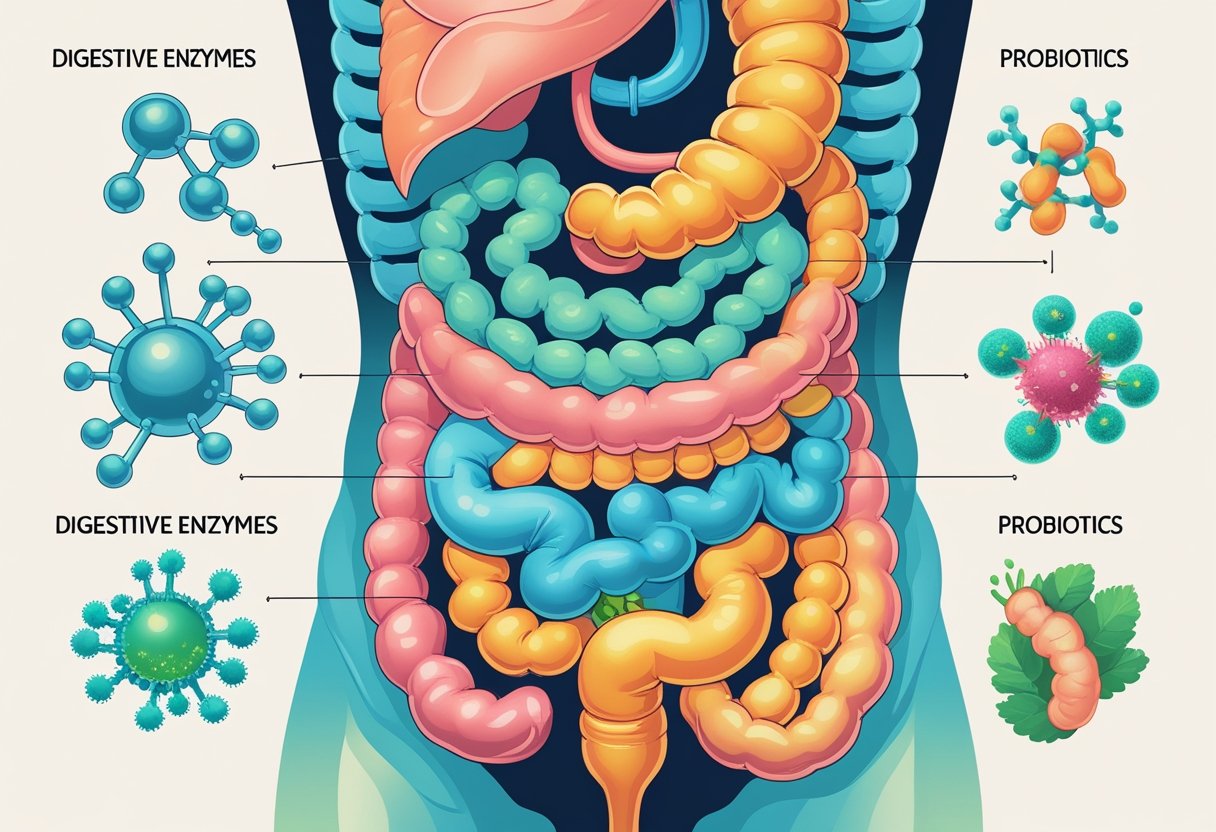
Digestive enzymes are proteins that break down food into nutrients the body can absorb, while probiotics are live bacteria that balance the gut microbiome.
Understanding this distinction helps determine which supplement might be more beneficial for specific digestive concerns.
The choice between digestive enzymes and probiotics depends on what’s happening in the digestive system.
Signs like bloating, gas, and irregular bowel movements can indicate a need for either supplement, but the underlying cause determines which one will provide the most relief.
Digestive Enzymes Explained
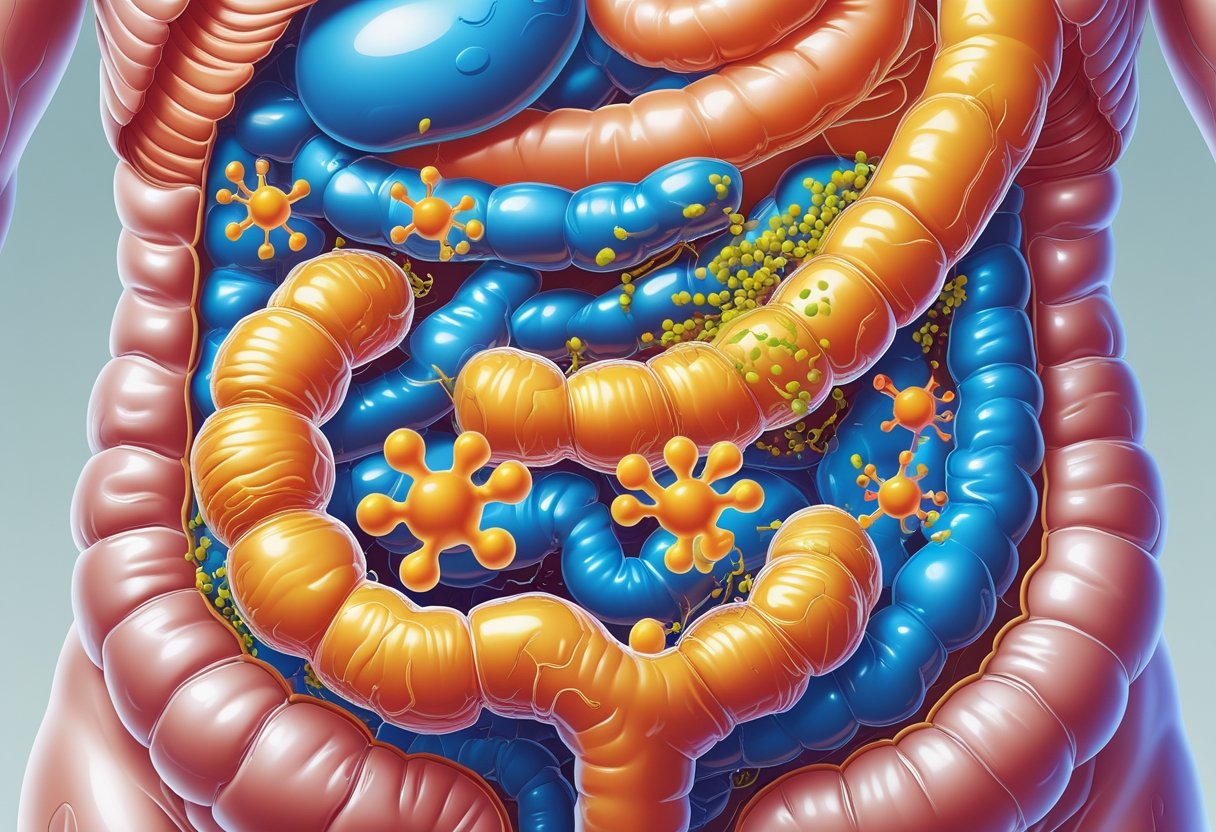
Digestive enzymes are specialized proteins that break down food into absorbable nutrients, with each type targeting specific macronutrients.
The body naturally produces these enzymes in various organs, though deficiencies can lead to malabsorption and digestive discomfort.
Types of Digestive Enzymes
The body produces several types of digestive enzymes, each with a specific role in breaking down different macronutrients.
Amylase is found in saliva and pancreatic secretions.
It breaks down carbohydrates into simple sugars that the body can absorb.
This enzyme begins working as soon as food enters the mouth.
Protease enzymes break down proteins into amino acids.
The stomach and pancreas produce these enzymes, with pepsin being the primary protease in the stomach.
Lipase is responsible for breaking down fats into fatty acids and glycerol.
The pancreas produces most lipase, which works in the small intestine to digest dietary fats.
Lactase specifically breaks down lactose, the sugar found in dairy products.
People with insufficient lactase production experience lactose intolerance.
Bromelain and papain are plant-based enzymes found in pineapple and papaya respectively.
These enzymes help break down proteins and are often included in enzyme supplements.
How Digestive Enzymes Work
Digestive enzymes function by accelerating chemical reactions that break down large food molecules into smaller, absorbable components.
The process begins in the mouth, where amylase starts breaking down carbohydrates.
As food moves to the stomach, protease enzymes begin protein digestion in the acidic environment.
The pancreas then releases a combination of amylase, protease, and lipase into the small intestine.
Each enzyme works optimally at specific pH levels and temperatures.
They attach to food molecules at specific sites and break the chemical bonds holding these molecules together.
This process transforms complex carbohydrates, proteins, and fats into glucose, amino acids, and fatty acids that the intestinal walls can absorb.
Without adequate enzyme activity, undigested food particles move through the digestive tract.
This leads to symptoms like bloating, gas, diarrhea, and nutrient deficiencies.
Digestive Enzyme Deficiencies
Enzyme deficiencies occur when the body produces insufficient amounts of specific digestive enzymes.
Exocrine pancreatic insufficiency (EPI) is a condition where the pancreas fails to produce adequate digestive enzymes.
This results in severe malabsorption of fats, proteins, and carbohydrates.
People with EPI often experience weight loss, fatty stools, and nutrient deficiencies.
Conditions that cause enzyme deficiencies include:
- Chronic pancreatitis
- Cystic fibrosis
- Pancreatic cancer
- Celiac disease
- Crohn’s disease
Lactase deficiency is the most common enzyme deficiency, affecting a significant portion of the adult population.
Symptoms appear after consuming dairy products and include bloating, gas, and diarrhea.
Digestive enzyme supplements can help people with deficiencies break down food more effectively.
These supplements contain concentrated forms of amylase, protease, lipase, and other enzymes.
Medical conditions like pancreatic insufficiency typically require prescription-strength enzyme supplements, while milder deficiencies may respond to over-the-counter options.
People taking enzyme supplements should consume them with meals for optimal effectiveness.
The enzymes need to be present when food enters the digestive system to aid in breakdown.
Understanding Probiotics

Probiotics are live microorganisms that work to balance and maintain the gut microbiome, supporting digestive health and broader bodily functions through their interaction with existing gut flora.
What Are Probiotics?
Probiotics are living bacteria and yeasts that provide health benefits when consumed in adequate amounts.
Unlike digestive enzymes, these beneficial bacteria don’t break down food directly.
Instead, they work to restore and maintain balance within the gut microbiome.
These microorganisms help populate the digestive tract with healthy bacteria that can outnumber harmful microbes.
The gut contains trillions of bacteria, both beneficial and potentially harmful, and probiotics help tip the balance toward the beneficial side.
They accomplish this by competing with unfavorable bacteria for resources and space in the digestive system.
Probiotics occur naturally in fermented foods like yogurt, kefir, sauerkraut, and kimchi.
They’re also available in supplement form, typically as capsules, powders, or liquids that contain specific strains at measured concentrations.
Common Probiotic Strains
Different probiotic strains serve different functions in the body.
The two most researched and widely used genera are Lactobacillus and Bifidobacterium.
Lactobacillus strains primarily inhabit the small intestine and are commonly found in fermented dairy products.
These strains help break down lactose and produce lactic acid, which creates an environment that discourages harmful bacteria growth.
Bifidobacterium strains predominantly reside in the large intestine and colon.
They support digestive comfort and help maintain the integrity of the gut lining.
These strains are particularly abundant in infants and tend to decrease with age.
Each probiotic strain has specific documented benefits, so the effectiveness of a probiotic supplement depends on which strains it contains and their clinical evidence.
Reading labels for specific strain names rather than just genus names helps identify targeted benefits.
Gut Microbiome and Probiotic Benefits
The gut microbiome refers to the complex community of microorganisms living in the digestive tract.
A healthy microbiome contains diverse beneficial bacteria that support digestion, nutrient absorption, and immune function.
Probiotics help maintain this balance by repopulating the gut with beneficial bacteria.
When probiotics feed on prebiotics (specialized plant fibers), they produce short-chain fatty acids that support gut lining health and help promote normal inflammatory responses.
Beyond digestive benefits, probiotics support the immune system since approximately 70% of immune cells reside in the gut.
Research also suggests connections between gut flora and mood regulation, skin health, and weight management.
These broader benefits stem from the gut’s influence on multiple body systems through the gut-brain axis and other pathways.
Key Differences Between Digestive Enzymes and Probiotics
Digestive enzymes and probiotics operate through completely different mechanisms and work in distinct areas of the digestive system.
Enzymes are non-living proteins that chemically break down food, while probiotics are living microorganisms that support the gut environment and overall digestive health.
Functions and Mechanisms
Digestive enzymes function as biological catalysts that break down macronutrients into absorbable components.
Amylase splits complex carbohydrates into simple sugars, protease dismantles proteins into amino acids, and lipase separates fats into fatty acids and glycerol.
These enzymes work immediately upon contact with food through chemical reactions.
They complete their task within a single meal and then break down themselves.
Probiotics work through entirely different mechanisms.
These living bacteria colonize the digestive system and maintain microbial balance.
They produce short-chain fatty acids that nourish the gut lining, synthesize certain vitamins, and compete with harmful bacteria for space and nutrients.
Probiotics strengthen the gut barrier by promoting tight junction proteins between intestinal cells.
They also communicate with immune cells in the gut wall, helping regulate inflammatory responses.
Unlike enzymes that work instantly, probiotics require consistent daily use for several weeks to establish their presence and create measurable benefits for gut health.
Where They Act in the Digestive System
Digestive enzymes begin their work in the mouth, where salivary amylase starts breaking down starches during chewing.
The stomach contributes pepsin for protein digestion in its acidic environment.
Most enzyme activity occurs in the small intestine, where the pancreas releases a concentrated mix of enzymes that complete the breakdown of all three macronutrient types.
Supplemental enzymes typically act in the stomach and upper small intestine, dissolving with the food they’re meant to process.
Probiotics primarily colonize the large intestine, though some strains temporarily inhabit the small intestine.
They attach to the intestinal wall and form communities within the mucus layer that protects the gut barrier.
Different probiotic strains prefer different locations throughout the colon.
These bacteria interact with the immune tissue concentrated in intestinal patches and influence the entire digestive system through their metabolic byproducts.
Their effects extend beyond digestion to impact immune function, nutrient synthesis, and even communication with the brain through the gut-brain axis.
When to Use Digestive Enzymes
Digestive enzyme supplements work best for people experiencing specific food-related symptoms or those with conditions that affect natural enzyme production.
The need for supplementation becomes apparent through digestive symptoms after meals or diagnosed conditions that impair enzyme function.
Signs You May Need Digestive Enzymes
Persistent bloating and gas after meals often indicate incomplete food breakdown.
These symptoms typically appear within 30 minutes to 2 hours of eating, particularly after consuming specific food groups like dairy, fatty foods, or high-protein meals.
Food intolerances represent another clear indicator.
People with lactose intolerance lack sufficient lactase enzyme to break down dairy sugar, leading to cramping, gas, and irregular bowel movements.
Similar patterns occur with other enzyme deficiencies affecting protein or fat digestion.
Nutrient malabsorption symptoms warrant attention.
These include unexplained weight loss, fatigue, or signs of vitamin deficiencies despite adequate dietary intake.
Undigested food particles visible in bowel movements also signal insufficient enzyme activity.
Digestive discomfort that consistently follows certain meals suggests the body struggles to process specific nutrients.
A pattern of symptoms tied to particular food types often reveals which enzymes may be lacking.
Conditions Benefiting from Enzyme Supplements
Pancreatic insufficiency significantly impairs enzyme production.
Conditions like chronic pancreatitis or cystic fibrosis reduce the pancreas’s ability to release adequate digestive enzymes, making supplementation necessary for proper nutrient absorption.
Age-related enzyme decline affects many adults.
Natural enzyme production decreases with aging, particularly stomach acid and pancreatic enzymes.
This reduction contributes to increased digestive disorders and discomfort in older populations.
Inflammatory bowel conditions like Crohn’s disease or celiac disease damage the intestinal lining where some enzymes are produced.
Enzyme supplements help compensate for this reduced production during active disease or recovery periods.
Post-surgical digestive changes require enzyme support.
Gallbladder removal, gastric bypass, or pancreatic surgery alter normal digestive enzyme release patterns, necessitating supplementation for optimal digestion and nutrient absorption.
When to Choose Probiotics
Probiotics become necessary when gut bacteria fall out of balance, after antibiotic use disrupts the microbiome, or when specific digestive and immune conditions require microbial support.
Signs of Probiotic Imbalance
Dysbiosis occurs when harmful bacteria outnumber beneficial microorganisms in the gut. Common signs include persistent bloating, gas, and changes in bowel regularity that don’t resolve with dietary adjustments.
Digestive symptoms like constipation alternating with diarrhea often indicate disrupted gut balance.
The skin may show changes such as acne or eczema. Brain fog and mood shifts can signal the gut-brain axis is affected by microbial imbalance.
Frequent infections suggest weakened immune function, as approximately 70% of the immune system resides in the gut.
Conditions Supported by Probiotics
Irritable bowel syndrome (IBS) responds to specific probiotic strains that reduce abdominal pain and regulate bowel movements.
Research shows certain Bifidobacterium and Lactobacillus strains improve symptoms in many IBS patients.
Inflammatory bowel disease (IBD), including Crohn’s disease and ulcerative colitis, may benefit from probiotics that help maintain remission and reduce inflammation.
These conditions require medical supervision, but probiotics serve as supportive therapy.
Small intestine bacterial overgrowth (SIBO) presents a complex case where certain probiotics help while others may worsen symptoms.
Soil-based and spore-forming probiotics typically work better than traditional strains for SIBO patients.
Probiotics support the immune system by enhancing the gut barrier and producing compounds that inhibit pathogenic bacteria.
They also help manage food sensitivities and support nutrient absorption.
Restoring Balance After Antibiotics
Antibiotics eliminate both harmful and beneficial bacteria, leaving the gut vulnerable to opportunistic pathogens.
Taking probiotics during and after antibiotic treatment helps prevent dysbiosis and associated complications.
The timing matters when combining probiotics with antibiotics. Taking them at least two hours apart allows both to work effectively without the antibiotic destroying the beneficial bacteria immediately.
A course of probiotics for 2-4 weeks following antibiotic treatment helps restore microbial diversity.
Multi-strain formulas with at least 10-50 billion CFUs (colony-forming units) provide the best support for rebuilding gut balance.
Some individuals need longer supplementation depending on antibiotic strength and treatment duration.
Food Sources and Supplements
Both digestive enzymes and probiotics can be obtained through food or supplements.
Certain fresh fruits and vegetables naturally contain enzymes, while fermented foods provide live beneficial bacteria.
Natural Sources of Digestive Enzymes
The body produces digestive enzymes naturally, but certain foods contain their own enzymes that can support digestion.
Pineapple contains bromelain, a protease enzyme that helps break down protein.
Papaya provides papain, another protein-digesting enzyme.
Raw honey contains several enzymes including amylase and invertase.
Mango and banana offer amylase, which helps digest carbohydrates.
Avocado contains lipase for fat digestion.
These enzymes work best when the foods are consumed raw. Heat from cooking typically destroys enzyme activity.
For maximum benefit, people should eat enzyme-rich foods fresh and unprocessed.
Adding these foods to meals may provide digestive support, particularly when eating protein-heavy or complex meals.
Fermented Foods as Probiotic Sources
Fermented foods contain live cultures of beneficial bacteria.
Yogurt with active cultures provides strains like Lactobacillus and Bifidobacterium.
Kefir, a fermented milk drink, typically contains a more diverse range of bacterial strains than yogurt.
Sauerkraut and kimchi are fermented vegetables that provide probiotics along with fiber.
Kombucha, a fermented tea beverage, contains various bacterial and yeast strains.
Miso, a fermented soybean paste, offers probiotics and is commonly used in Japanese cuisine.
For probiotic benefits, these foods must be unpasteurized. Pasteurization kills the live bacteria.
When purchasing fermented foods, people should look for labels indicating “live and active cultures” or refrigerated products, which are more likely to contain viable organisms.
Choosing the Right Supplements
Probiotic supplements come in capsules, tablets, powders, and liquids. When selecting a probiotic supplement, the strain designation matters.
Products should list specific strains with full names, not just genus and species. CFU (colony-forming units) count indicates the number of live organisms, typically ranging from 1 billion to 50 billion per dose.
Digestive enzyme supplements are often derived from animal, plant, or microbial sources. Multi-enzyme formulas contain various types like amylase, protease, and lipase.
Single-enzyme products target specific needs, such as lactase for lactose intolerance.
Quality indicators include third-party testing, clear ingredient lists, and proper storage requirements.
Some probiotic supplements require refrigeration to maintain bacterial viability.
People should take digestive enzymes with meals and probiotics according to product instructions.