Greens powders and probiotics both offer health benefits, but they serve different purposes in the body. Greens powders deliver concentrated nutrients from vegetables, fruits, and superfoods to help fill dietary gaps and support overall wellness.
Probiotics provide live beneficial bacteria that specifically target gut health and digestion.
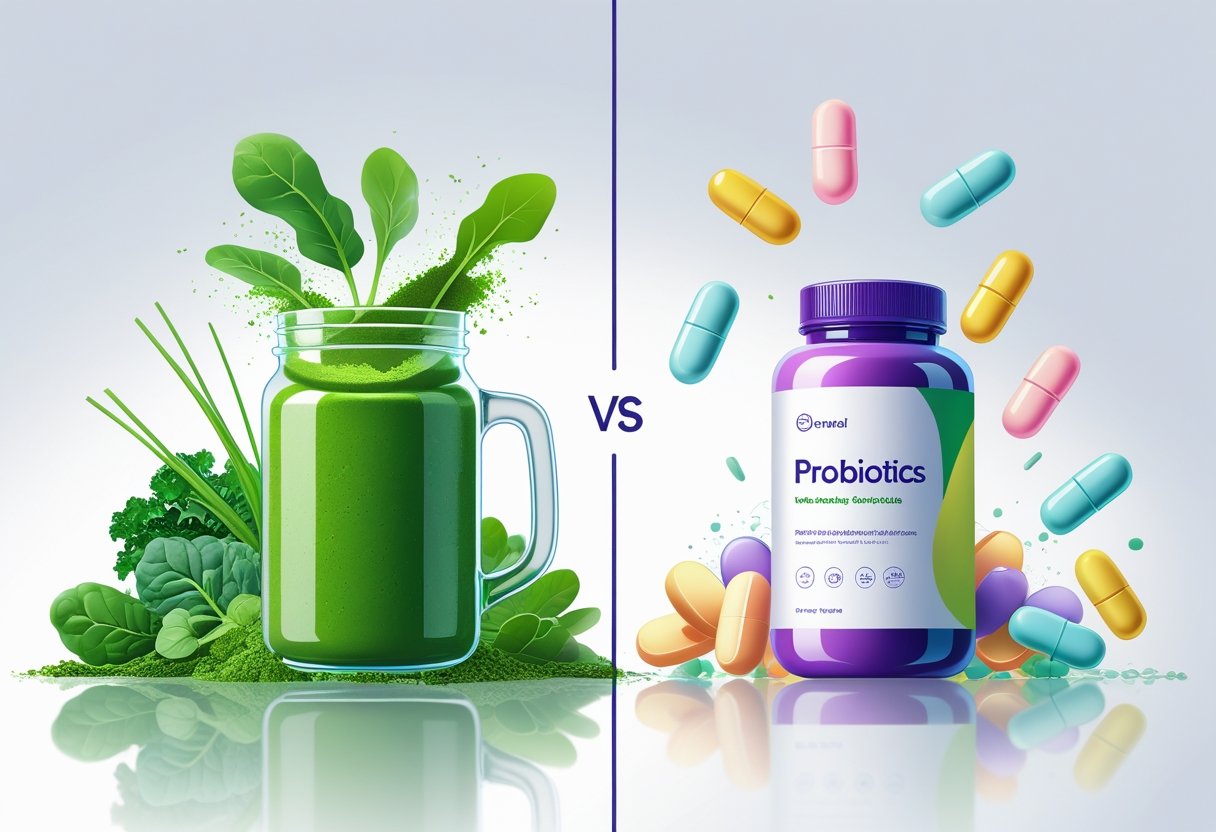
Many people wonder if they need to choose between these supplements or if they should use both. Each option offers distinct advantages that address different aspects of health.
Greens powders typically provide vitamins, minerals, and antioxidants from plant-based ingredients, while probiotics focus on introducing beneficial microorganisms to support the digestive system.
Some greens powders now include probiotics in their formulas, combining both approaches into one product. This combination can offer comprehensive support for nutrition and gut health simultaneously.
Key Takeaways
- Greens powders provide concentrated nutrients from superfoods while probiotics deliver live bacteria for gut health
- The choice between them depends on whether the primary goal is nutritional supplementation or digestive support
- Some products combine both greens and probiotics for comprehensive wellness benefits in a single supplement
Understanding Greens Powders
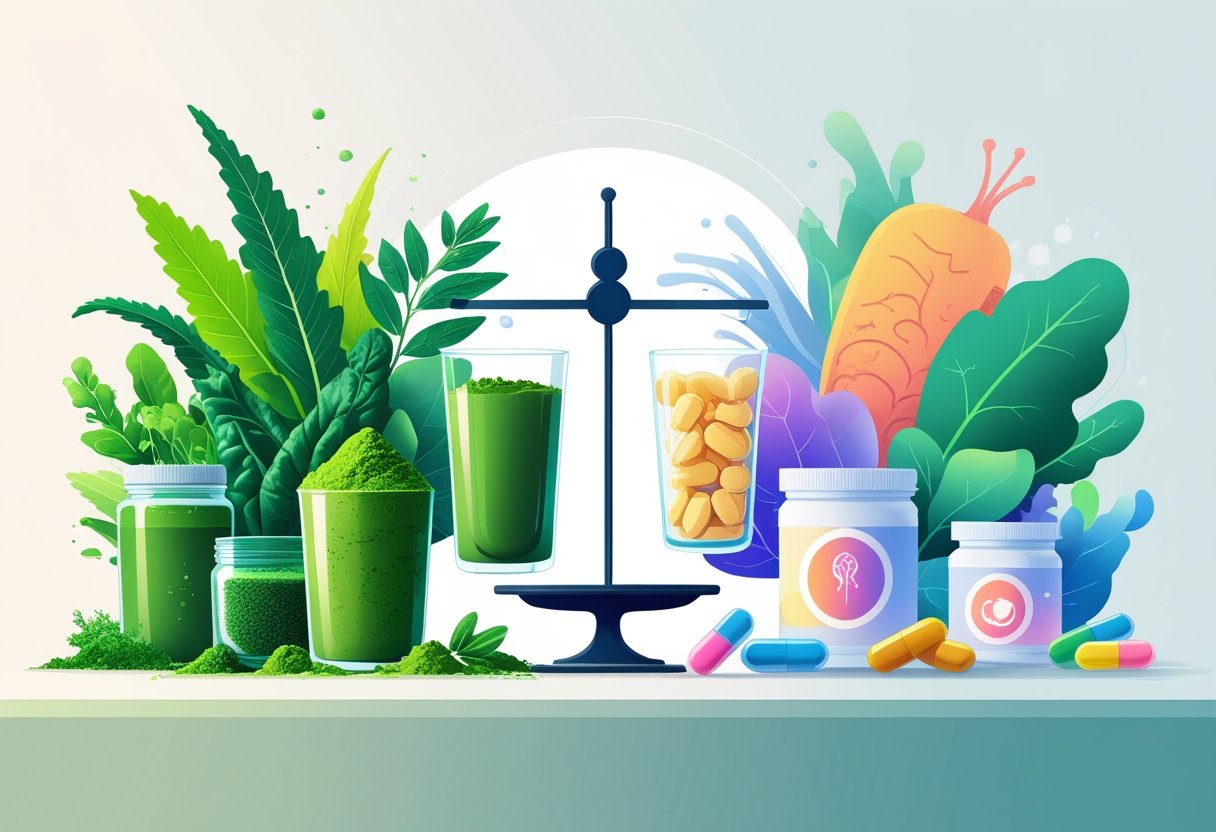
Greens powders are concentrated supplements made from dehydrated plant ingredients that provide vitamins, minerals, and phytonutrients in a convenient form. These products typically blend leafy greens with superfoods and other plant-based components to create a nutrient-dense powder.
What Are Greens Powders?
Greens powders are dietary supplements created by dehydrating and pulverizing vegetables, fruits, herbs, and superfoods into a fine powder. The manufacturing process removes water content while preserving most of the nutritional compounds found in whole vegetables.
Users mix these powders with water, smoothies, or other beverages to consume them.
These supplements aim to help individuals increase their intake of plant-based nutrients, particularly when fresh vegetable consumption falls short. The powder form offers extended shelf life compared to fresh produce.
Most products contain between 20 to 50 different ingredients, though formulations vary significantly between brands.
Common Ingredients in Greens Powders
Leafy greens form the foundation of most powdered greens formulations. Spinach, kale, and broccoli appear frequently due to their nutrient density.
Superfoods like spirulina, wheatgrass, chlorella, and barley grass provide concentrated amounts of vitamins and minerals.
Many products include additional categories of ingredients:
- Grasses: Wheatgrass and barley grass
- Algae: Spirulina and chlorella
- Vegetables: Broccoli, spinach, and kale
- Herbs: Various adaptogenic and medicinal plants
- Fiber sources: Prebiotics and plant-based fibers
The specific blend depends on the manufacturer’s formulation goals. Some brands prioritize organic vegetables exclusively, while others combine conventional and organic ingredients.
Nutritional Profile
Greens powders deliver concentrated amounts of vitamins, minerals, antioxidants, and phytonutrients. Vitamin A, vitamin C, and vitamin K typically appear in significant quantities due to the high leafy greens content.
Many formulations also provide B vitamins, which support energy metabolism. The mineral content varies but often includes magnesium and zinc, both essential for numerous bodily functions.
Antioxidants from ingredients like spirulina and chlorella help protect cells from oxidative stress. Phytonutrients, the beneficial plant compounds found in whole vegetables, remain present in varying amounts depending on processing methods.
One serving typically contains 30-50 calories with minimal protein and fat. The micronutrient content generally represents 10-30% of daily recommended values for most vitamins and minerals, though this varies widely between products.
What Are Probiotics?
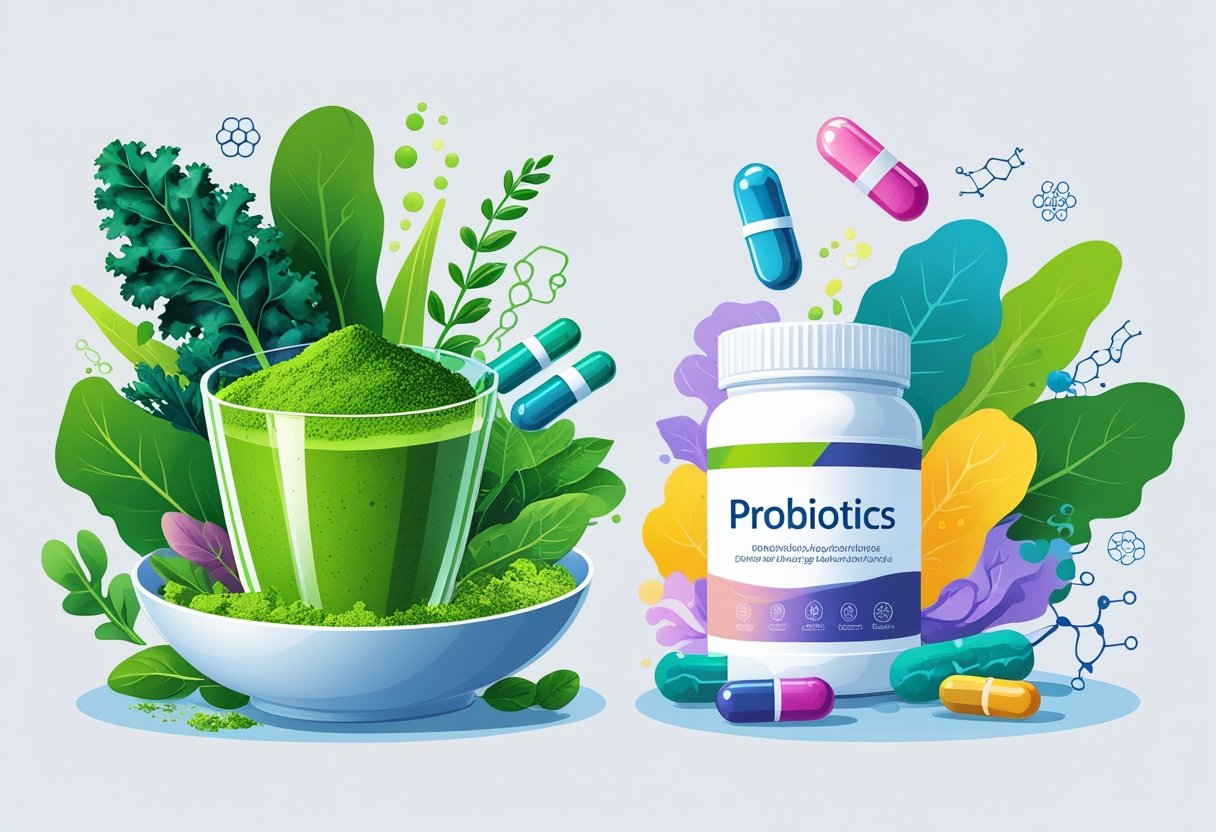
Probiotics are live microorganisms that provide health benefits when consumed in adequate amounts, primarily by supporting the balance and function of gut bacteria. These supplements come in various forms and contain specific bacterial strains measured in colony-forming units (CFUs).
Understanding Probiotics and the Gut Microbiome
The gut microbiome consists of trillions of microorganisms living in the digestive tract, including beneficial bacteria, harmful bacteria, and other microbes. Probiotics work by introducing additional beneficial bacteria into this ecosystem, helping to maintain or restore balance when disruption occurs.
When the gut microbiome becomes imbalanced—often due to antibiotics, poor diet, stress, or illness—harmful bacteria can outnumber beneficial ones. This imbalance may lead to digestive issues, weakened immunity, and other health concerns.
Probiotics help restore equilibrium by crowding out harmful bacteria and supporting the growth of beneficial species. They also produce compounds like short-chain fatty acids that nourish gut cells and support intestinal barrier function.
Types and Sources of Probiotics
Different probiotic strains offer distinct benefits, making strain selection important for targeted health outcomes. The most researched genera include Lactobacillus, Bifidobacterium, and the beneficial yeast Saccharomyces boulardii.
Common probiotic strains and their primary functions:
- Lactobacillus acidophilus – Supports lactose digestion and vaginal health
- Lactobacillus rhamnosus – May reduce diarrhea duration and support immune function
- Bifidobacterium bifidum – Helps break down dietary fiber and produces B vitamins
- Bifidobacterium longum – Supports stress response and reduces inflammation
- Saccharomyces boulardii – Particularly effective for antibiotic-associated diarrhea
Probiotics occur naturally in fermented foods like yogurt, kefir, sauerkraut, kimchi, and kombucha. However, many people turn to supplements for higher CFU counts and specific strain combinations.
Probiotic Supplement Formulations
Probiotic supplements typically come as capsules, powders, or liquids, each with advantages for different needs. Capsules often include enteric coating to protect bacteria from stomach acid, while powders allow for flexible dosing and easier consumption.
The effectiveness of a probiotic supplement depends on several factors. CFU count indicates the number of viable bacteria per serving, with typical supplements ranging from 1 billion to 50 billion CFUs.
Higher CFU counts aren’t always better—the right amount depends on individual needs and the specific strains used. A probiotic blend combines multiple strains to provide broader gut support than single-strain products.
Multi-strain formulations may address various aspects of digestive health simultaneously, though targeted single-strain products work better for specific conditions. Storage requirements matter too, as some probiotics require refrigeration while shelf-stable formulations use specially processed strains that maintain viability at room temperature.
Key Benefits: Greens Powders vs Probiotics
Greens powders and probiotics offer distinct health advantages that target different aspects of wellness. While greens powders focus on filling nutritional gaps with concentrated plant-based nutrients, probiotics specialize in maintaining gut bacterial balance and supporting digestive function.
Nutritional Support and Dietary Gaps
Greens powders deliver concentrated amounts of vitamins, minerals, and phytonutrients from dehydrated vegetables, fruits, and superfoods like spirulina, chlorella, and wheatgrass. These supplements help individuals who struggle to consume adequate servings of vegetables meet their daily nutrient intake requirements.
They provide essential vitamins like A, C, and K, along with minerals such as iron and magnesium. Probiotics, by contrast, do not provide significant nutritional value in terms of vitamins or minerals.
Their primary role involves introducing beneficial bacterial strains rather than adding to overall nutrient intake. Someone seeking to address deficiencies in their balanced diet would find greens powders more effective for this purpose.
Many greens powders also contain dietary fiber from plant sources, which contributes to daily fiber requirements. Probiotics contain negligible fiber content unless combined with prebiotic fibers in a specialized formulation.
Digestive Health and Gut Support
Probiotics excel at supporting healthy digestion through live microorganisms that colonize the gut. Strains like L. acidophilus and Bifidobacterium help maintain bacterial diversity, reduce bloating, and promote regularity.
These beneficial bacteria assist in breaking down food particles and producing short-chain fatty acids that nourish the intestinal lining. Greens powders support digestive health through different mechanisms.
The dietary fiber in these supplements promotes regular bowel movements and feeds existing gut bacteria. Some formulations include digestive enzymes like amylase and protease that help break down macronutrients, though this differs from the bacterial support that probiotics provide.
Key Differences:
| Aspect | Greens Powders | Probiotics |
|---|---|---|
| Mechanism | Fiber and enzymes | Live bacteria |
| Primary Benefit | Regularity and nutrient absorption | Bacterial balance |
| Bloating Relief | Moderate | Strong |
Immune Function and Antioxidant Protection
Greens powders contain high concentrations of antioxidants from plant compounds like polyphenols, carotenoids, and chlorophyll. These compounds neutralize free radicals and reduce oxidative stress, which can damage cells and contribute to chronic inflammation.
The diverse plant ingredients support a healthy immune system by providing phytonutrients that work synergistically. Probiotics support immune function through a different pathway.
Approximately 70% of immune cells reside in the gut, and beneficial bacteria help regulate immune responses. Specific probiotic strains train the immune system to distinguish between harmful pathogens and beneficial organisms, potentially reducing the frequency of infections.
Both options contribute to a healthy immune system, but greens powders offer broader antioxidant protection while probiotics focus specifically on gut-mediated immunity.
Energy Levels and Cognitive Function
Greens powders may enhance energy levels through their B-vitamin content and alkalizing minerals that support cellular metabolism. The concentrated nutrition from superfoods provides building blocks for energy production without the crash associated with stimulants.
Some users report sustained energy throughout the day. The gut-brain axis connects digestive health to cognitive function, making probiotics relevant for mental clarity and mood regulation.
Certain probiotic strains produce neurotransmitters like serotonin and GABA that influence brain function. Research suggests that maintaining balanced gut bacteria may support focus and reduce brain fog.
Greens powders contribute to cognitive function indirectly through antioxidants that protect brain cells from oxidative stress. The combination of nutrients supports overall brain health, though the effects on cognitive function tend to be more subtle compared to their impact on physical energy levels.
How Greens Powders and Probiotics Work in the Body
Greens powders and probiotics operate through distinct mechanisms in the digestive system, though both influence gut health and nutrient processing. Understanding their individual roles helps clarify how each supplement supports the body’s core functions.
Role in Digestion and Nutrient Absorption
Greens powders often contain a digestive enzyme blend that helps break down food components into absorbable nutrients. Common enzymes include amylase for carbohydrate digestion, lipase for fat breakdown, and protease for protein metabolism.
Some formulations also include pepsin, which aids protein digestion in the stomach. These enzymes work alongside the body’s natural digestive processes to improve nutrient extraction from food.
The vitamins and minerals in greens powders—derived from ingredients like spirulina, chlorella, and leafy greens—provide concentrated nutrition that the body can readily absorb.
Probiotics function differently by introducing live microorganisms into the gut. These beneficial bacteria, such as Lactobacillus and Bifidobacterium strains, colonize the intestinal tract and influence how the body processes nutrients.
They produce short-chain fatty acids that support intestinal cell health and enhance mineral absorption, particularly calcium and magnesium.
Interactions with Gut Health
Probiotics directly modify the gut environment by competing with harmful bacteria for space and resources. They produce antimicrobial compounds and strengthen the intestinal barrier, reducing inflammation and supporting immune function.
Greens powders contribute to gut health through their fiber content and plant compounds. Many formulations include prebiotics like inulin, which serve as food for existing beneficial bacteria.
This prebiotic content supports digestive regularity and creates conditions favorable for healthy gut flora. The combination of digestive enzymes in greens powders can reduce digestive discomfort by helping the body process complex foods more efficiently.
This mechanical support differs from the biological colonization that probiotics provide.
Supporting a Balanced Microbiome
Probiotics actively reshape the microbial composition of the gut by introducing specific bacterial strains. Regular intake can increase microbial diversity and restore balance after disruptions from antibiotics, illness, or poor diet.
Different strains offer varying benefits—some reduce bloating while others support immune function. Greens powders support the microbiome indirectly through nutritional and prebiotic content.
The fiber and plant compounds feed existing beneficial bacteria, allowing them to thrive and multiply. This approach strengthens the resident microbiome rather than introducing new organisms.
When prebiotics from greens powders combine with probiotics, they work synergistically. The prebiotics provide fuel for probiotic bacteria, improving their survival and effectiveness in the digestive tract.
This relationship enhances overall digestive support and microbiome stability.
Choosing the Right Option for Your Health Goals
The decision between greens powders and probiotics depends on individual nutritional gaps, health priorities, and dietary patterns. Some people may benefit more from targeted probiotic supplementation, while others need the broad nutrient support that greens powders provide.
Who Should Consider Greens Powders?
Individuals who struggle to consume adequate vegetables and fruits in their daily diet may find greens powders particularly useful. These dietary supplements offer concentrated nutrients from sources like spirulina, chlorella, kale, and wheatgrass in a convenient serving size.
People following restrictive diets—whether vegan, gluten-free, dairy-free, or soy-free—can use greens powders to address potential nutritional deficiencies. Athletes and active individuals who need quick nutrient replenishment may also benefit from the convenience factor.
Those concerned about ingredient transparency should examine product labels carefully. Many brands use proprietary blends that obscure individual ingredient amounts, making it difficult to assess effectiveness.
Non-GMO certifications and clear allergen information help consumers make informed choices. Greens powders work best as supplements to—not replacements for—whole foods.
They provide vitamins, minerals, and phytonutrients but lack the fiber content and satiety of actual vegetables.
Who May Benefit Most from Probiotics?
Probiotics target specific digestive and immune system concerns through live microorganisms. People experiencing frequent bloating, irregular bowel movements, or digestive discomfort often see improvements with probiotic supplementation.
Individuals who have recently completed antibiotic treatment may need probiotics to restore beneficial gut bacteria. Research shows antibiotics can disrupt the microbiome balance, and targeted probiotic strains help rebuild healthy bacterial populations.
Those with diagnosed conditions like irritable bowel syndrome, inflammatory bowel disease, or chronic digestive issues should work with registered dietitians to select appropriate strains and dosages.
Different probiotic species address different health concerns—Lactobacillus acidophilus supports general gut health, while Bifidobacterium strains may help with constipation.
People who travel frequently or experience stress-related digestive changes may also benefit from regular probiotic use. However, individuals with compromised immune systems or those on specific medications should consult healthcare providers before starting probiotic supplementation.
Combination Approaches: Can You Take Both?
Taking both greens powders and probiotics simultaneously is safe for most people and may provide complementary benefits. Greens powders often contain prebiotics—fiber compounds that feed beneficial gut bacteria—which can enhance probiotic effectiveness.
Some products already combine both elements, though these formulations may cost more than purchasing supplements separately. The effectiveness of probiotics in powder form remains debated, as research suggests delayed-release capsules protect live bacteria better during digestion.
Timing can matter when taking both supplements. Some registered dietitians recommend taking probiotics on an empty stomach and greens powders with meals to maximize nutrient absorption.
Individuals should space out supplements if they experience any digestive discomfort. Budget constraints may influence this decision.
Top nutrition coaching programs often recommend prioritizing whole foods first, then adding targeted supplementation based on specific deficiencies or health goals.
Consulting with a Registered Dietitian
Working with a registered dietitian or nutritionist provides personalized guidance that generic product recommendations cannot match. These professionals assess individual dietary patterns, health conditions, and nutritional needs to recommend appropriate supplements.
Registered dietitians can interpret blood work results to identify specific nutrient deficiencies that greens powders might address. They also help determine whether digestive symptoms warrant probiotic supplementation or require medical evaluation.
Professional guidance proves especially valuable for people managing chronic conditions, taking multiple medications, or following specialized diets. A dietitian can identify potential interactions between supplements and prescriptions, or spot allergens in product formulations that might cause reactions.
Many insurance plans now cover nutrition counseling services, making professional advice more accessible. Virtual consultations with registered dietitians have expanded access to top nutrition coaching for those in remote areas or with scheduling constraints.
Ingredient and Brand Comparisons
When choosing between greens powders and probiotics, understanding what’s actually in the product matters as much as the type of supplement itself. Brand formulations vary widely in ingredient quality, transparency, and additional components that affect both effectiveness and taste.
Notable Greens Powders and Probiotic Supplements
Several brands dominate the greens powder market with distinct formulations. AG1 offers a comprehensive blend with probiotics included, positioning itself as an all-in-one solution.
Green Vibrance from Vibrant Health contains over 70 ingredients including probiotics, prebiotics, and digestive enzymes. Bloom Greens & Superfoods targets a younger demographic with flavored options and added digestive support.
Live It Up Super Greens focuses on organic vegetables and fruits with minimal additives. Athletic Greens emphasizes athletic performance alongside general wellness.
These products differ significantly in their probiotic strains, CFU counts, and superfood concentrations. Standalone probiotic supplements typically contain higher CFU counts than greens powders with added probiotics.
Dedicated probiotic products often range from 10 billion to 100 billion CFUs per serving, while greens powders usually include 1 billion to 5 billion CFUs.
Reading Nutrition Labels and Proprietary Blends
Proprietary blends present a challenge for consumers trying to compare products. These blends list total amounts without disclosing individual ingredient quantities.
A label might show “5,000 mg proprietary greens blend” containing spirulina, chlorella, and wheatgrass, but the exact amount of each remains unknown. Transparent brands list each ingredient with specific amounts.
This clarity allows consumers to verify they’re getting effective doses of key components. For probiotics, both the strain name and CFU count should appear clearly.
For greens, individual vegetable and fruit quantities indicate quality. Green supplements using proprietary blends may contain mostly inexpensive fillers with minimal amounts of beneficial ingredients.
Products with full transparency tend to cost more but provide verifiable value. Consumers should look for specific strain names like Lactobacillus acidophilus or Bifidobacterium lactis rather than generic “probiotic blend” listings.
Additives, Sweeteners, and Flavoring Agents
Most greens powders contain sweeteners to mask the earthy taste of vegetables and algae. Stevia and monk fruit are natural, zero-calorie options commonly used in premium products.
These don’t impact blood sugar levels and add minimal processing. Added sugar appears in some budget-friendly options but increases calorie content and may cause blood sugar spikes.
Maltodextrin serves as a filler and mild sweetener in certain formulations. This corn-derived additive has a high glycemic index despite being technically sugar-free.
Artificial flavors and colors rarely appear in quality greens powders but exist in some mass-market versions. Natural flavoring agents like vanilla, berry extracts, or cocoa provide taste without synthetic compounds.
Protein powders sometimes get mixed with greens powders, adding another layer of ingredients to consider. These combinations may include additional emulsifiers or thickeners.
Product Certifications and Quality
Third-party certifications provide verification of product quality and safety. NSF Certified for Sport indicates testing for banned substances, making products suitable for competitive athletes.
This certification requires rigorous testing and facility inspections. USDA Organic certification ensures ingredients meet organic farming standards without synthetic pesticides or GMOs.
Non-GMO Project Verified labels confirm genetic engineering wasn’t used. GMP (Good Manufacturing Practices) certification indicates proper manufacturing processes and quality control.
Probiotic supplements should specify refrigeration requirements and expiration dates, as live cultures degrade over time. Greens powders with probiotics face similar stability concerns.
Some brands use shelf-stable probiotic strains that don’t require refrigeration, though refrigerated products often contain more diverse bacterial strains. Testing for heavy metals, particularly in algae-based ingredients like spirulina and chlorella, distinguishes quality brands.
Products should provide certificates of analysis confirming contaminant testing. Vegan and gluten-free certifications matter for those with dietary restrictions or allergies.
Potential Risks, Limitations, and Considerations
Both greens powders and probiotics come with important safety considerations and limitations that users should understand. These supplements can cause side effects, interact with medications, and should never replace a diet rich in whole foods.
Possible Side Effects
Greens powders may cause digestive discomfort, including bloating, gas, or nausea, especially when first introduced. Some formulations contain high levels of certain nutrients that can be problematic in excess.
Probiotic supplements can trigger mild digestive symptoms like gas and bloating during the initial adjustment period. People with compromised immune systems or serious underlying health conditions may experience more severe reactions, including infections in rare cases.
Certain ingredients in greens powders require extra caution. Ashwagandha and other adaptogens may affect thyroid function or hormone levels.
Green tea extract can cause liver issues at high doses. Some products contain seaweed or other marine ingredients that may have elevated iodine levels, which can disrupt thyroid function.
Interactions and Contraindications
Greens powders containing vitamin K from ingredients like parsley and cabbage can interfere with blood-thinning medications. The beet content in some powders may lower blood pressure, which could be problematic for people on antihypertensive medications.
Probiotics can interact with antibiotics and immunosuppressant drugs. People with central venous catheters or weakened immune systems should consult healthcare providers before taking probiotic supplements.
Neither supplement undergoes FDA regulation for safety or efficacy before reaching the market. This lack of oversight means products may contain contaminants, including heavy metals, or fail to deliver the quantities of ingredients listed on labels.
Importance of a Whole Foods Diet
Supplements cannot replicate the complex nutritional profile of whole fruits and vegetables.
A healthy diet following guidelines from organizations like the American Heart Association provides fiber, phytonutrients, and compounds that work synergistically in ways isolated supplements cannot match.
Blueberries, leafy greens, and other whole foods offer benefits beyond their individual nutrients.
Processing foods into powders destroys heat-sensitive vitamins and removes fiber content entirely.
A plant-based diet rich in diverse whole foods naturally provides the nutrients found in greens powders along with fiber for digestive health.
This approach also supports the prevention of chronic disease through mechanisms that supplements alone cannot achieve.