Fat burners are dietary supplements designed to help accelerate weight loss. These products have flooded the market with bold claims about melting away pounds.
Understanding what happens inside the body when taking them requires a closer look at the science.

Fat burners work primarily by increasing metabolism, enhancing the body’s ability to break down fat cells, and sometimes reducing appetite through specific compounds and ingredients. The effectiveness depends on the quality of ingredients, proper dosing, and how these supplements interact with individual physiology.
Not all products are created equal, and results vary significantly from person to person.
This article breaks down the mechanisms behind fat-burning supplements and examines the key ingredients that drive their effects.
Understanding the fundamentals of fat metabolism and how these dietary supplements influence it helps separate fact from marketing hype.
What Are Fat Burners and How Do They Work?
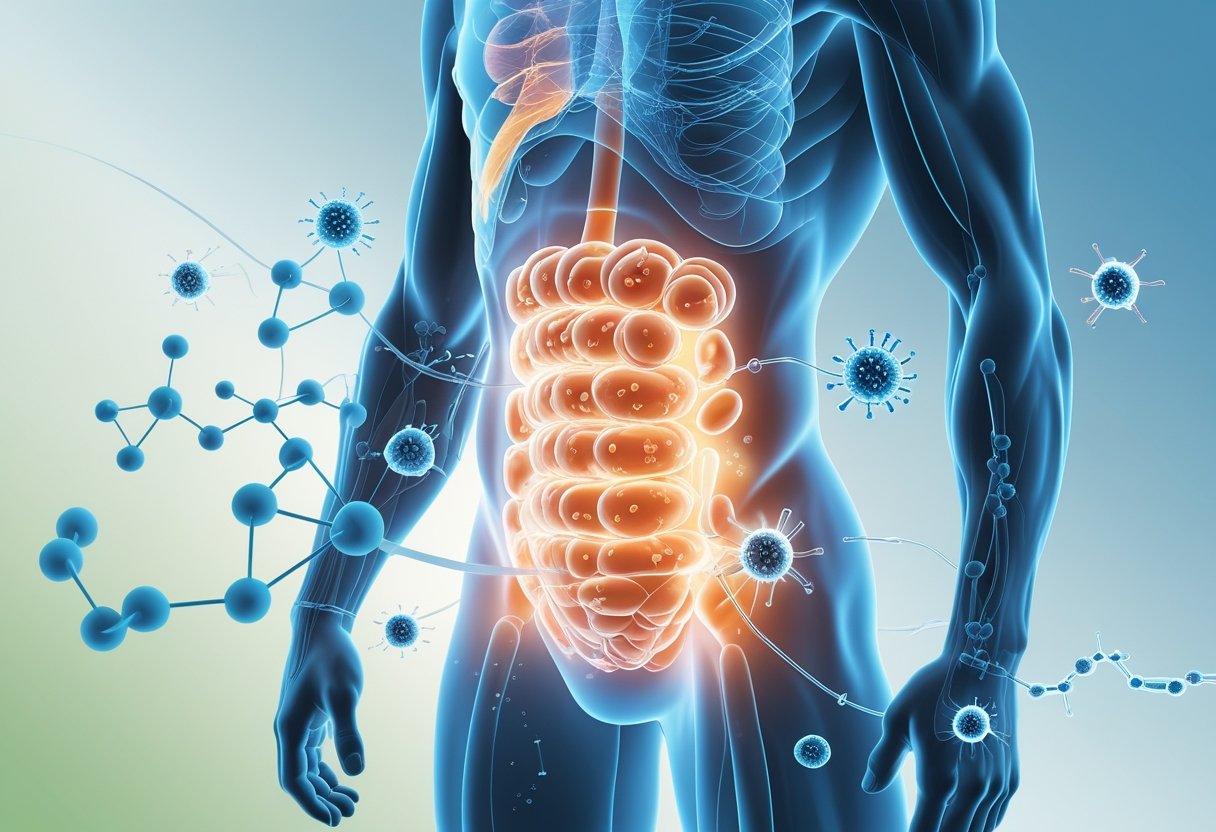
Fat burners are dietary supplements designed to accelerate the body’s natural fat burning process through various metabolic mechanisms. These products work by targeting specific pathways in the body that influence energy expenditure, fat breakdown, and appetite regulation.
Defining Fat Burners
Fat burners are commercial supplements formulated to enhance weight loss efforts through biological mechanisms. These products contain combinations of ingredients intended to increase the rate at which the body breaks down stored fat.
The supplements target adipose tissue, where fat is stored as triglycerides. These triglycerides consist of three fatty acids bound to a glycerol molecule.
When the body needs energy, it must break down these stored compounds through a process called lipolysis.
Fat burners differ from meal replacements or protein supplements. They do not provide substantial calories or nutrients.
Instead, they contain active compounds that aim to modify how the body processes and utilizes existing fat stores.
The market offers various formulations, from stimulant-based products containing caffeine to non-stimulant options using botanical extracts. Each type operates through different mechanisms to achieve fat loss goals.
Primary Mechanisms of Action
Fat burners operate through several distinct pathways that affect metabolic processes. The first mechanism involves thermogenesis, which increases the body’s heat production and elevates resting metabolic rate.
This process causes the body to burn more calories throughout the day, even during periods of rest.
The second mechanism targets lipolysis directly. Certain ingredients stimulate hormone-sensitive lipase, an enzyme responsible for breaking down stored fat into free fatty acids.
These fatty acids then enter the bloodstream where they can be used as fuel.
Some fat burners enhance catecholamine activity. Hormones like adrenaline and noradrenaline promote fat breakdown and increase overall energy expenditure.
Research published in the American Journal of Clinical Nutrition demonstrated that caffeine and green tea extract increased fat oxidation by 16% compared to placebo.
Additional mechanisms include appetite suppression through ingredients that increase satiety signals. Some formulations also contain compounds that may block the absorption of dietary fats or carbohydrates before they are stored in the body.
Role of Dietary Supplements
Dietary supplements function as tools to support existing weight loss efforts rather than standalone solutions. They provide concentrated doses of active ingredients that would be difficult to obtain through food alone.
These supplements work most effectively when combined with proper nutrition and regular physical activity.
The supplement format allows for precise dosing of specific compounds known to influence fat metabolism. Common ingredients include caffeine, green tea extract, capsaicin, and various botanical compounds.
Each ingredient contributes to the overall fat burning process through its unique properties.
Supplements can help address specific challenges in weight loss efforts. They may increase energy levels during calorie restriction, reduce hunger signals, or target stubborn fat deposits in areas like the lower abdomen and thighs.
The effectiveness depends on ingredient quality, dosage, and individual metabolic response.
Fat burner supplements are not regulated as strictly as pharmaceuticals. This means product quality and ingredient accuracy can vary significantly between brands.
Users should verify that products contain clinically studied ingredients at effective doses.
The Science of Fat Loss: Fundamentals
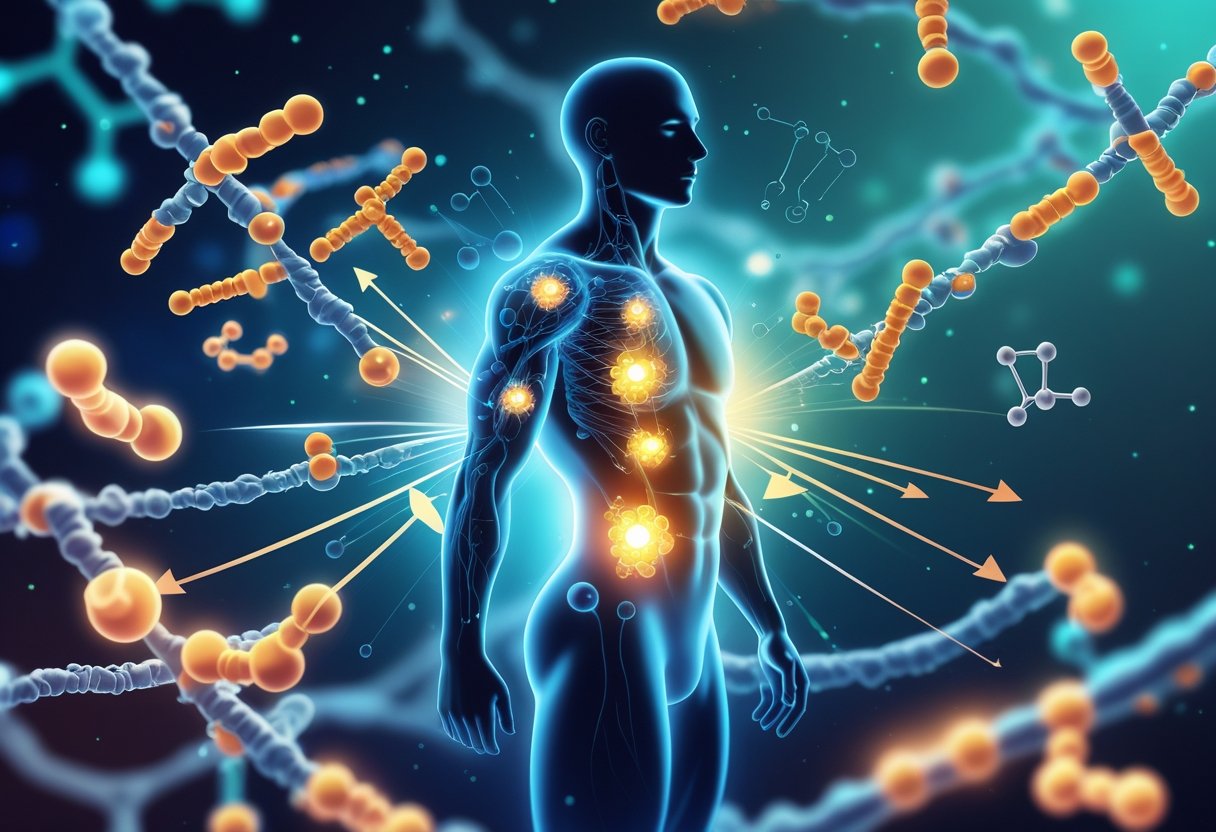
Fat loss occurs when the body breaks down stored triglycerides into usable energy through coordinated metabolic processes. Understanding metabolism, thermogenesis, and fat oxidation reveals how the body mobilizes and burns fat at the cellular level.
Metabolism and Energy Expenditure
Metabolism encompasses all chemical reactions that convert food into energy for cellular functions. The body’s total energy expenditure consists of three main components: resting metabolic rate (RMR), which accounts for 60-75% of daily calories burned, the thermic effect of food at 10%, and physical activity at 15-30%.
RMR represents the calories the body burns maintaining basic functions like breathing, circulation, and cell production. Factors affecting metabolic rate include body composition, age, sex, and hormonal balance.
Individuals with more lean muscle mass typically have higher metabolic rates because muscle tissue requires more energy to maintain than fat tissue.
The body constantly burns calories through energy expenditure, even during sleep. This baseline calorie burning provides the foundation for fat loss when combined with proper nutrition.
Thermogenesis Explained
Thermogenesis refers to heat production in the body through calorie burning. Three types exist: exercise-associated thermogenesis from physical activity, non-exercise activity thermogenesis (NEAT) from daily movements like walking and fidgeting, and diet-induced thermogenesis from digesting food.
Brown adipose tissue (BAT) burns calories to generate heat, unlike white fat that stores energy. When activated, BAT increases energy expenditure and promotes fat oxidation.
Cold exposure and certain compounds can stimulate BAT activity. Thermogenic processes elevate the body’s core temperature slightly, requiring additional energy.
This increased energy demand forces the body to tap into stored fat reserves for fuel.
Fat Oxidation and Breakdown
Fat oxidation occurs when stored triglycerides undergo lipolysis, breaking down into glycerol and free fatty acids. These fatty acids enter the bloodstream and travel to cells where mitochondria convert them into adenosine triphosphate (ATP), the body’s primary energy currency.
The process requires specific enzymes like hormone-sensitive lipase (HSL) to initiate fat breakdown. Catecholamines including adrenaline and noradrenaline signal fat cells to release stored fatty acids into circulation.
Mitochondria serve as the powerhouses for fat oxidation, containing enzymes that facilitate beta-oxidation. This process systematically breaks down fatty acid chains into two-carbon units that enter energy production pathways.
The efficiency of fat oxidation depends on mitochondrial health, oxygen availability, and hormonal signals that regulate the process.
How Fat Burners Influence Fat Loss
Fat burners work by enhancing the body’s natural mechanisms for breaking down and utilizing stored fat, primarily through increasing energy expenditure, mobilizing fat from cells, and modulating hormones that control fat metabolism.
Supporting a Caloric Deficit
Fat burners assist with weight loss by making it easier to maintain a caloric deficit, the fundamental requirement for fat loss. When someone consumes fewer calories than they burn, the body must tap into stored fat for energy.
Many fat burner ingredients help achieve this through appetite suppression, reducing hunger signals that often derail weight management efforts.
Stimulants like caffeine increase daily energy expenditure by raising the resting metabolic rate by 3-11%. This means the body burns more calories throughout the day, even during sedentary activities.
The combination of reduced calorie intake and increased calorie burning creates a larger deficit, accelerating fat loss compared to diet and exercise alone.
Fat burners also provide energy during periods of restricted eating. When someone reduces food intake, energy levels typically drop, making physical activity more difficult.
The energy boost from fat burner ingredients helps maintain workout intensity and daily activity levels, preventing the metabolic slowdown that often accompanies caloric restriction.
Impact on Fat Cells
Fat burners directly influence how the body handles stored fat within adipose tissue. The process begins with lipolysis, where fat cells release stored triglycerides and break them down into free fatty acids and glycerol.
Ingredients like caffeine and green tea extract stimulate lipolysis by activating specific enzymes within fat cells. Once released, these fatty acids enter the bloodstream and travel to tissues where they undergo fat oxidation.
Fat burners enhance this process by increasing the rate at which cells convert fatty acids into usable energy. Certain compounds also affect fat cell development and fat storage.
They can reduce the formation of new fat cells and limit the expansion of existing ones. The mobilization of stubborn fat deposits, especially visceral fat, becomes more efficient when these mechanisms are activated.
Hormonal Regulation of Fat Metabolism
Fat burners work partially through their effects on hormones that control fat storage and breakdown. Adrenaline plays a central role in fat mobilization by binding to receptors on fat cells and triggering the release of stored fat.
Many fat burner ingredients stimulate adrenaline production or mimic its effects, amplifying this natural fat-burning signal. Insulin regulation represents another critical pathway.
High insulin levels promote fat storage and inhibit fat breakdown, making weight loss difficult. Some fat burner compounds improve insulin sensitivity and reduce post-meal insulin spikes, creating a more favorable environment for fat metabolism.
Cortisol, the stress hormone, influences fat distribution and storage, particularly in the abdominal region. Managing cortisol through proper supplementation timing and lifestyle factors prevents counterproductive fat accumulation.
The balance between these hormones determines whether the body favors fat storage or fat loss at any given time.
Key Ingredients and Their Effects
Fat burners rely on specific compounds that target different aspects of metabolism and energy expenditure. These ingredients work through distinct mechanisms—some boost thermogenesis, others enhance fat oxidation, and several increase energy levels to support physical activity.
Caffeine and Stimulants
Caffeine stands as the most researched and effective ingredient in fat burners. It increases metabolic rate by 3-11% and enhances fat oxidation by inhibiting the breakdown of cyclic adenosine monophosphate (cAMP), which regulates energy metabolism.
The compound also stimulates the release of adrenaline, which signals fat cells to break down stored fat for energy. Research supports doses of 100-400 mg per serving, equivalent to 1-4 cups of coffee, taken before exercise for optimal effect.
Synephrine, extracted from bitter orange, functions similarly to caffeine but through different pathways. It activates beta-adrenergic receptors, promoting fat breakdown without significantly raising blood pressure or heart rate in moderate doses.
Typical effective doses range from 10-50 mg per serving. These stimulants work synergistically when combined, though users sensitive to stimulants should start with lower doses to assess tolerance.
Green Tea Extract and EGCG
Green tea extract contains catechins, particularly epigallocatechin gallate (EGCG), which enhances fat burning through a unique mechanism. EGCG inhibits the enzyme catechol-O-methyltransferase (COMT), which normally breaks down fat-burning hormones like norepinephrine.
By preventing this breakdown, EGCG extends the duration of these hormones’ effects on fat metabolism. Studies demonstrate that 400-500 mg of green tea extract daily, standardized to contain 50% EGCG, can increase fat oxidation by 17% during exercise.
The compound also provides antioxidant protection and may improve insulin sensitivity. Unlike pure caffeine, green tea extract produces a more sustained energy release due to the presence of L-theanine, which moderates caffeine’s stimulant effects.
This makes it suitable for those seeking fat-burning benefits without excessive jitteriness.
Capsaicin and Thermogenic Compounds
Capsaicin, the compound responsible for the heat in chili peppers, increases thermogenesis—the production of heat in the body. It activates receptors that stimulate the sympathetic nervous system, raising core body temperature and energy expenditure.
Research shows capsaicin can increase metabolic rate by 50 calories per day when consumed regularly. Doses of 2-4 mg per serving effectively promote fat oxidation, though gastrointestinal sensitivity varies among individuals.
The compound works by activating brown adipose tissue, which burns calories to generate heat. Some supplements use capsinoids, milder analogs of capsaicin that provide similar benefits with reduced digestive irritation.
L-Carnitine and Fat Transport
L-carnitine serves as a transport molecule that shuttles fatty acids into mitochondria, where cells burn them for energy. Without adequate carnitine, the body cannot efficiently utilize stored fat as fuel during exercise or caloric restriction.
Supplemental forms include L-carnitine and acetyl-L-carnitine (ALCAR), with effective doses ranging from 500-2000 mg daily. The compound proves most beneficial for individuals with lower baseline carnitine levels or those following vegetarian diets, as dietary carnitine comes primarily from meat.
Research indicates L-carnitine works best when taken before exercise and combined with adequate carbohydrate intake. While the body produces carnitine naturally, supplementation may enhance fat oxidation during prolonged physical activity.
Types of Fat Burners and Their Mechanisms
Fat burners operate through distinct pathways in the body, each targeting different aspects of weight management. The four primary categories include compounds that increase heat production, reduce food intake, block nutrient absorption, or enhance physical performance.
Thermogenic Fat Burners
Thermogenic fat burners increase the body’s core temperature and metabolic rate through a process called thermogenesis. This elevated heat production forces the body to expend more calories at rest, creating a larger energy deficit throughout the day.
Caffeine stands as the most researched thermogenic compound, blocking adenosine receptors and increasing resting metabolic rate by 3-11%. Green tea extract contains EGCG, which inhibits enzymes that break down norepinephrine, prolonging the hormone’s fat-burning effects.
Synephrine from bitter orange activates specific adrenergic receptors without significantly affecting heart rate or blood pressure in most individuals. Capsaicin from chili peppers activates TRPV1 receptors, temporarily raising body temperature and energy expenditure.
These thermogenic effects become more pronounced when combined with physical activity, as the body requires additional energy to regulate temperature during exercise.
Appetite Suppressants
Appetite suppressants work by influencing hunger hormones and neurotransmitters that control satiety signals in the brain. These compounds help reduce caloric intake by making individuals feel fuller for longer periods or by decreasing food cravings between meals.
Glucomannan, a soluble fiber, expands in the stomach to create physical fullness while slowing gastric emptying. Hydroxycitric acid (HCA) from Garcinia cambogia may influence serotonin levels, potentially reducing emotional eating patterns.
Protein supplements function as appetite suppressants by triggering the release of satiety hormones like GLP-1 and PYY. 5-HTP increases serotonin production, which can reduce carbohydrate cravings and promote feelings of satisfaction after meals.
Chromium picolinate helps stabilize blood sugar levels, preventing the energy crashes that often trigger hunger pangs and snacking.
Fat Blockers and Absorption Inhibitors
Fat blockers prevent the body from absorbing dietary fats by inhibiting lipase enzymes in the digestive tract. These supplements bind to fat molecules or enzyme active sites, allowing undigested fats to pass through the intestinal system.
Orlistat blocks approximately 25-30% of dietary fat absorption by binding to pancreatic and gastric lipases. Chitosan, derived from shellfish, carries a positive charge that attracts negatively charged fat molecules, forming complexes too large for absorption.
White kidney bean extract inhibits alpha-amylase enzymes, reducing the breakdown and absorption of complex carbohydrates. These blockers work only on fats or carbohydrates consumed during meals, not on stored body fat.
They require careful timing with food intake and can cause digestive discomfort if users consume high-fat meals while taking them.
Fat blockers suit individuals who struggle with portion control but can lead to deficiencies in fat-soluble vitamins (A, D, E, K) with prolonged use. Users must maintain adequate nutrient intake through supplementation or dietary planning.
Energy Boosters
Energy boosters increase physical and mental capacity for exercise and daily activities, indirectly supporting fat loss through enhanced calorie expenditure. These compounds improve focus, reduce perceived exertion, and extend workout duration or intensity.
Caffeine increases adrenaline release and mobilizes fatty acids from tissue stores, making them available for energy production during exercise. L-tyrosine serves as a precursor for dopamine and norepinephrine, supporting motivation and mental clarity under physical stress.
B-vitamins facilitate energy metabolism by converting macronutrients into usable ATP. L-carnitine transports long-chain fatty acids into mitochondria where they undergo oxidation for energy.
This mechanism becomes particularly relevant during moderate-intensity exercise when fat serves as the primary fuel source. Taurine supports cardiovascular function and may reduce exercise-induced oxidative stress.
Fat Burners, Diet, and Exercise Synergy
Fat burners function as supplements to an existing weight loss plan rather than standalone solutions. The compounds in these products amplify results when paired with proper nutrition and consistent physical activity.
Importance of a Balanced Diet
A balanced diet forms the foundation of any effective weight loss plan, regardless of supplement use. Fat burners cannot compensate for poor nutritional choices or excessive calorie intake.
Research indicates that thermogenic supplements show measurable benefits only when combined with calorie-control strategies. The body requires adequate protein, healthy fats, and complex carbohydrates to maintain metabolic function while losing weight.
Whole foods provide essential micronutrients that support the biochemical processes fat burners aim to enhance. Without proper nutrition, ingredients like green tea extract and L-carnitine have limited substrates to work with.
A healthy diet also prevents the muscle loss that often accompanies caloric restriction. When someone reduces calories but maintains protein intake around 0.7-1 gram per pound of body weight, fat burners can more effectively target adipose tissue rather than lean mass.
Role of Regular Physical Activity
Regular exercise amplifies the thermogenic effects of fat burning supplements. Physical activity increases total daily energy expenditure, creating a larger caloric deficit when combined with dietary changes.
Cardiovascular exercise elevates heart rate and metabolic rate during and after workouts. When someone takes a caffeine-based fat burner before cardio, the compound enhances fat oxidation during the session.
This means the body pulls more energy from stored fat rather than glycogen. Regular physical activity also improves insulin sensitivity and hormone balance.
These metabolic improvements allow fat burning ingredients to work more efficiently, as the body becomes better at mobilizing and utilizing stored energy.
Strength Training and Muscle Mass
Strength training preserves and builds muscle mass during fat loss phases. This matters because muscle tissue burns more calories at rest than fat tissue.
Fat burners combined with resistance training help maintain this metabolically active tissue while creating conditions favorable for fat oxidation. The appetite-suppressing effects of some fat burners require careful management during strength training programs.
Adequate caloric intake remains necessary to support muscle recovery and growth. A modest caloric deficit of 300-500 calories, rather than aggressive restriction, allows simultaneous fat loss and muscle preservation.
Protein synthesis increases after resistance exercise, making this the optimal time for nutrient intake. Fat burners should complement rather than replace proper pre- and post-workout nutrition strategies.
Physical Performance and Workout Intensity
Fat burners containing stimulants directly impact workout performance by increasing energy availability and focus. Caffeine improves power output, endurance, and perceived exertion during training sessions.
This allows individuals to maintain higher workout intensity despite being in a caloric deficit. Enhanced physical performance translates to greater caloric burn and improved body composition changes.
Someone who can complete an extra set or run an additional mile burns more calories than they would at lower intensity. The energy-boosting effects of fat burners make this intensity sustainable over time.
However, tolerance to stimulants develops with regular use. Cycling fat burners or choosing stimulant-free options prevents adaptation while maintaining the benefits of increased physical activity and healthy lifestyle habits.
Potential Side Effects and Safety Considerations
Fat burners can trigger various side effects ranging from mild digestive discomfort to more serious cardiovascular and neurological reactions. The lack of strict regulatory oversight means product quality varies significantly, making third-party testing an important consideration for anyone considering supplementation.
Digestive and Stimulant-Related Issues
Many fat burners contain high doses of stimulants like caffeine, which commonly cause gastrointestinal distress. Users frequently report nausea, diarrhea, and stomach cramping, particularly when taking these supplements on an empty stomach.
The stimulant content can also elevate heart rate and blood pressure. Individuals with pre-existing cardiovascular conditions face increased risks when using these products.
Some ingredients work by increasing thermogenesis, which generates heat in the body and can lead to excessive sweating and dehydration. Digestive issues often intensify when multiple stimulants are combined in a single formula.
Green tea extract, caffeine, and synephrine taken together may amplify gastrointestinal side effects beyond what each ingredient would cause individually.
Anxiety and Sleep Disturbances
Stimulant-based fat burners frequently disrupt normal sleep patterns and increase anxiety levels. The caffeine content in many products remains active in the system for 6-8 hours, interfering with sleep quality when taken later in the day.
Users with sensitivity to stimulants may experience jitteriness, racing thoughts, and heightened nervousness. These effects can persist even at moderate doses.
The combination of sleep disruption and increased anxiety creates a counterproductive cycle, as poor sleep negatively impacts metabolism and hunger regulation. Some individuals report mood swings and irritability while using fat burners.
These psychological effects can undermine adherence to healthy eating patterns and exercise routines.
Supplements Quality and Third-Party Testing
The supplement industry operates with minimal FDA oversight, allowing products to reach consumers without rigorous safety testing. Manufacturers are not required to prove efficacy or safety before marketing fat burners.
Third-party testing provides independent verification of ingredient accuracy and purity. Organizations like NSF International and USP test for contaminants, banned substances, and label accuracy.
Products without this certification may contain unlisted ingredients or incorrect dosages. Proprietary blends conceal exact ingredient amounts, making it impossible to assess safety or effectiveness.
Consumers should prioritize products with transparent labeling that lists specific quantities of each active ingredient.
Sustainable Weight Loss Strategies
Fat burners produce modest effects at best. Research shows minimal clinically significant weight loss compared to diet and exercise alone.
Sustainable weight loss requires a caloric deficit achieved through nutrition and physical activity. No supplement can replace these fundamental principles.
A balanced approach focusing on whole foods and regular movement produces more reliable outcomes. Adequate sleep also supports lifelong weight management.