Green coffee bean extract has gained attention in the health and wellness community, but many people remain uncertain about what it actually is and whether it lives up to its reputation.
Green coffee bean extract is a concentrated supplement derived from unroasted coffee beans that contains high levels of chlorogenic acid and other bioactive compounds, which may offer various health benefits beyond what traditional roasted coffee provides.
Unlike the familiar brown coffee beans used for brewing, these green, unprocessed beans retain their natural chemical composition because they haven’t undergone the roasting process that typically reduces beneficial compounds by 50-95%.
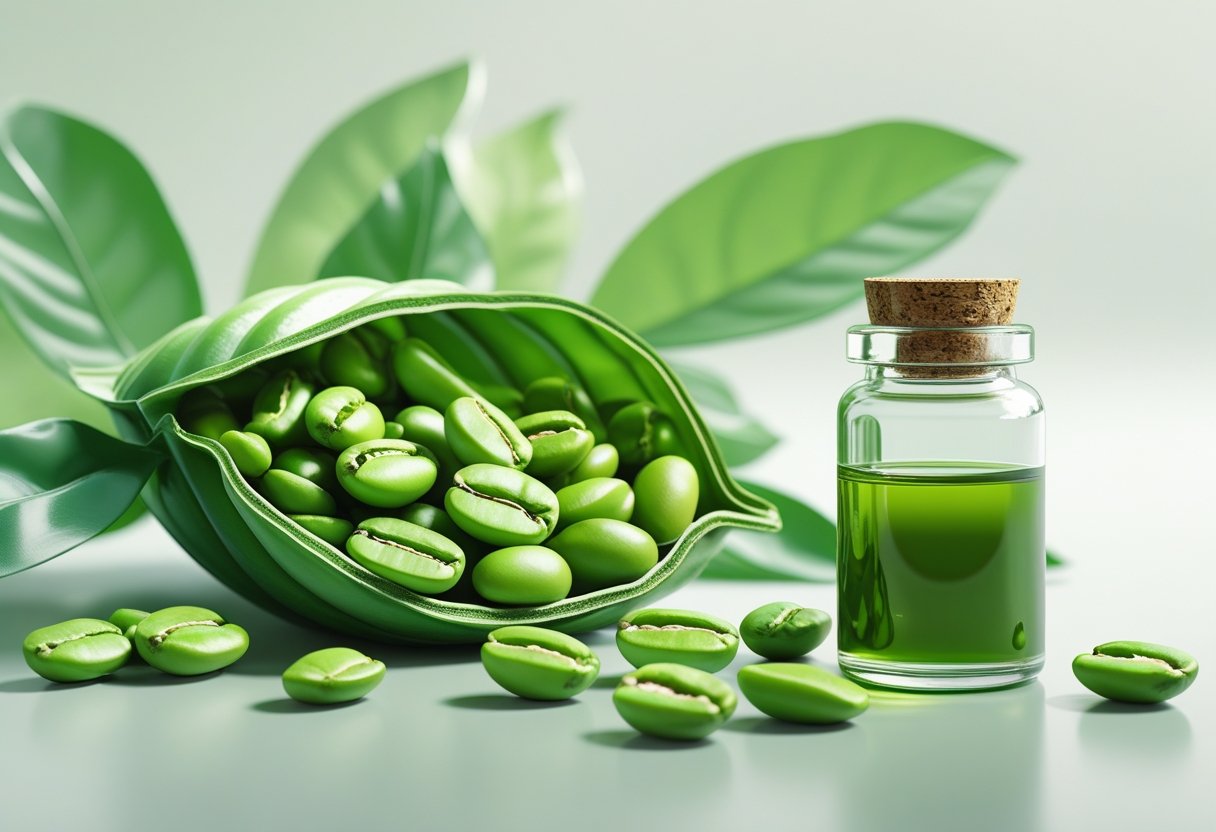
The extract differs significantly from regular coffee in both form and function.
While roasted coffee beans contain approximately 1-7% chlorogenic acids, green coffee beans maintain levels between 6-12%, along with higher concentrations of antioxidants and other plant compounds.
This preservation of natural compounds has led researchers to investigate potential applications ranging from metabolic support to cardiovascular health.
Understanding what green coffee bean extract contains, how it works in the body, and what realistic expectations to maintain requires examining the science behind the supplement.
This guide explores the key compounds found in green coffee extract, the evidence supporting various health claims, potential risks to consider, and practical guidance for safe use.
What Is Green Coffee Bean Extract?
Green coffee bean extract comes from unroasted coffee beans that retain higher levels of beneficial plant compounds, particularly chlorogenic acid.
The extract is processed into concentrated forms and sold as dietary supplements in capsules, tablets, and powders.
How Green Coffee Bean Extract Is Made
The production process begins with raw, unroasted coffee beans that are soaked in water or a solvent solution to draw out their active compounds.
Manufacturers focus on extracting chlorogenic acid and other polyphenols while preserving their natural potency.
After soaking, the liquid undergoes concentration through evaporation or freeze-drying methods.
These techniques remove excess moisture and create a potent, shelf-stable extract.
The final product typically contains standardized amounts of chlorogenic acid, often ranging from 45% to 50% concentration.
Quality control measures ensure consistent potency across batches.
Some manufacturers use gentle extraction temperatures to prevent degradation of heat-sensitive compounds.
The concentrated extract is then ground into powder form or encapsulated for consumer use.
Difference Between Green and Roasted Coffee Beans
Unroasted coffee beans maintain their natural green color and contain significantly higher levels of chlorogenic acid compared to roasted beans.
The roasting process breaks down these beneficial compounds, reducing their concentration by up to 70%.
Green coffee beans have a milder, more grassy flavor profile than roasted coffee.
They contain less caffeine than their roasted counterparts, though the exact amount varies by bean variety and extraction method.
The lack of roasting preserves the bean’s original antioxidant properties and bioactive compounds.
Roasted coffee beans develop rich flavors and aromas but lose many of their original health-promoting substances.
Green coffee extract provides concentrated doses of these preserved compounds without the taste characteristics of brewed coffee.
Forms and Dosage Options
Green coffee bean extract is available primarily in capsule and tablet forms, which offer precise dosing and convenience.
Powder formulations exist but are less common due to the extract’s bitter taste.
Capsules typically contain between 200-400 mg of extract per serving.
Clinical studies have used doses ranging from 200 mg to 400 mg taken two to three times daily.
A specific green coffee extract called Svetol has been tested at 200 mg five times daily for up to 12 weeks.
Individual products vary in their chlorogenic acid content and recommended serving sizes.
Consumers should look for supplements that clearly state their chlorogenic acid concentration and standardization.
Some formulations combine green coffee extract with other ingredients, which may affect appropriate dosing.
Key Active Compounds in Green Coffee Bean Extract
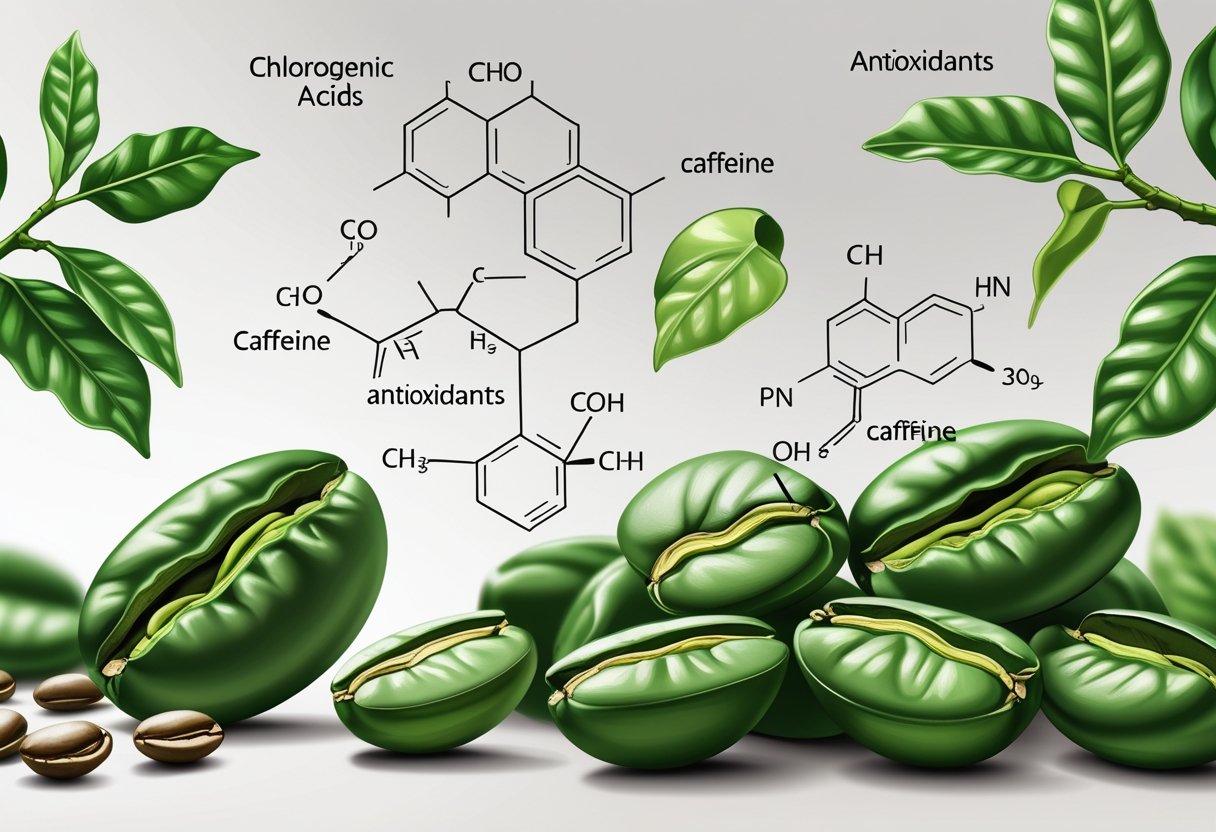
Green coffee bean extract contains two primary bioactive compounds that distinguish it from roasted coffee: chlorogenic acids and caffeine.
These compounds work differently in the body and exist in varying concentrations depending on extraction methods and bean origin.
Chlorogenic Acid Content and Functions
Chlorogenic acids represent the most abundant polyphenolic compounds in green coffee bean extract, typically comprising 5-12% of the dry weight of unroasted beans.
These phenolic compounds decrease significantly during the roasting process, which makes green coffee extract a more concentrated source than traditional brewed coffee.
The primary function of chlorogenic acids relates to their antioxidant properties.
These compounds neutralize free radicals in the body by donating electrons to unstable molecules.
Research indicates that chlorogenic acids can slow glucose absorption in the intestines, which affects blood sugar regulation.
Alkaline extraction conditions reduce chlorogenic acid concentration in the final extract.
Studies show that extraction at neutral pH (7.0) preserves higher levels of chlorogenic acids compared to alkaline conditions at pH 9.0.
The compound also demonstrates lipase inhibitory activity, with extracts containing higher chlorogenic acid concentrations showing up to 66% inhibition of pancreatic lipase.
Caffeine Content and Effects
Green coffee bean extract contains less caffeine than roasted coffee, typically ranging from 2-4% of dry weight.
The caffeine content varies based on the coffee bean variety, growing conditions, and extraction parameters used during processing.
Extraction pH significantly impacts final caffeine levels.
Neutral pH extractions retain more caffeine than alkaline extractions, where elevated pH levels reduce caffeine concentration in the resulting extract.
This lower caffeine profile makes green coffee extract suitable for individuals sensitive to caffeine’s stimulant effects.
Caffeine in green coffee extract contributes to fat metabolism and may act as a fat absorption suppressor.
The compound works synergistically with chlorogenic acids, though each provides distinct biological effects.
Unlike the high caffeine content in espresso or brewed coffee, green coffee extract delivers caffeine in modest amounts alongside concentrated chlorogenic acids.
Potential Health Benefits
Green coffee bean extract has been studied for several health applications, with research focusing primarily on metabolic health, blood sugar regulation, and cardiovascular support.
The chlorogenic acids in the extract may influence various physiological processes, though results vary across studies.
Weight Loss and Weight Management
Research shows modest weight loss effects from green coffee bean extract supplementation.
A meta-analysis found participants lost an average of 2.47 kg compared to placebo groups over 8-12 week periods.
However, these results should be viewed with caution due to small sample sizes and short study durations in most trials.
The proposed mechanisms involve multiple pathways.
Chlorogenic acid may inhibit glucose-6-phosphatase, reducing glucose production in the liver.
Some studies suggest it could increase fat oxidation by 10-15% and potentially reduce carbohydrate absorption in the intestine by affecting enzyme activity.
Green coffee bean extract works best when combined with diet and exercise rather than as a standalone solution.
The modest effects observed in research—typically 1-3 kg over several months—require realistic expectations.
Individuals pursuing weight management should view the extract as a potential complement to a healthy lifestyle, not a replacement for fundamental changes in eating patterns and physical activity.
Blood Sugar Control and Type 2 Diabetes
Green coffee bean extract may support blood sugar regulation through its effects on glucose metabolism.
Studies have documented reductions in fasting plasma glucose levels of approximately 2.21 mg/dL with regular supplementation.
The chlorogenic acids appear to improve insulin sensitivity and modify how the body processes carbohydrates.
Research suggests potential benefits for individuals concerned about type 2 diabetes risk.
The extract may help moderate post-meal blood sugar spikes by slowing glucose absorption.
These effects could support better blood sugar control when combined with appropriate dietary choices, though the extract should not replace medical treatment for existing diabetes.
Blood Pressure and Cardiovascular Health
Clinical studies demonstrate potential cardiovascular health benefits, particularly regarding blood pressure management.
Green coffee bean extract has been associated with reductions in systolic and diastolic blood pressure in hypertensive individuals.
The chlorogenic acids may support vascular function and reduce oxidative stress on blood vessels.
Additional cardiovascular markers show promise in research settings.
Some studies report reductions in total cholesterol levels of approximately 5.93 mg/dL.
The antioxidant properties of chlorogenic acids may protect against fat accumulation in arterial walls and support overall metabolism.
These effects appear most pronounced when individuals maintain consistent supplementation over several weeks.
Antioxidant and Anti-Inflammatory Properties
Green coffee bean extract contains chlorogenic acid and other polyphenol compounds that function as natural antioxidants in the body.
These compounds work to neutralize harmful free radicals and reduce inflammatory responses at the cellular level.
Reducing Oxidative Stress
Chlorogenic acid serves as the primary antioxidant in green coffee bean extract, targeting free radicals that damage cells throughout the body.
Free radicals are unstable molecules that cause oxidative stress, leading to cellular damage and accelerated aging processes.
The antioxidant properties of green coffee bean extract help stabilize these molecules before they harm healthy tissue.
Studies indicate that chlorogenic acid remains present in unroasted beans but degrades during the roasting process.
This preservation of antioxidant compounds gives green coffee bean extract an advantage over regular roasted coffee.
The extract may also help protect against environmental stressors like UV radiation and pollution.
Research suggests these antioxidant properties extend to cardiovascular health by protecting blood vessels from oxidative damage.
The compounds in green coffee bean extract support cellular defense mechanisms throughout multiple organ systems.
Anti-Inflammatory Effects
The anti-inflammatory properties of green coffee bean extract stem from its ability to modulate inflammatory pathways in the body.
Chlorogenic acid helps reduce inflammation markers associated with chronic conditions.
These anti-inflammatory effects may contribute to better management of blood pressure and metabolic function.
The extract works by decreasing the production of inflammatory compounds at the cellular level.
This mechanism supports the body’s natural anti-inflammatory systems without suppressing immune function.
Users may experience benefits related to reduced systemic inflammation over time.
Cognitive Function and Overall Wellbeing
Green coffee bean extract may influence cognitive function through its antioxidant and anti-inflammatory mechanisms.
The compounds help protect brain cells from oxidative damage while supporting healthy blood flow to neural tissue.
Some research suggests potential benefits for memory and mental clarity.
The extract’s effects on homocysteine levels may also play a role in cognitive health.
Elevated homocysteine is associated with increased risk of cognitive decline.
The antioxidant properties help maintain cellular health in the brain and nervous system, though more research is needed to establish definitive cognitive benefits.
Possible Side Effects and Precautions
Green coffee bean extract can cause caffeine-related reactions in some individuals, though it contains less caffeine than regular coffee.
The most common issues involve digestive discomfort, sleep disturbances, nervous system effects, and headaches.
Digestive Issues and Diarrhea
Green coffee bean extract may irritate the digestive system due to its caffeine content.
The caffeine can stimulate bowel movements and increase stomach acid production, leading to discomfort in sensitive individuals.
Diarrhea is one of the more frequent digestive complaints.
People with irritable bowel syndrome (IBS) face higher risk when taking large amounts of the extract.
The chlorogenic acid and caffeine together can speed up intestinal transit time.
Other digestive issues include:
- Stomach upset and nausea
- Increased bowel movement frequency
- Abdominal cramping
- Acid reflux symptoms
Individuals with existing digestive conditions should start with lower doses.
Taking the extract with food may reduce stomach irritation.
Impact on Sleep and Insomnia
The caffeine in green coffee bean extract can interfere with normal sleep patterns.
One cup of green coffee contains about 25-50% of the caffeine found in regular coffee, which still amounts to a significant stimulant dose.
Insomnia becomes more likely when the extract is taken in the afternoon or evening.
The stimulant effects can last several hours in the body.
People who metabolize caffeine slowly face greater risk of sleep disruption.
Sleep-related effects include:
- Difficulty falling asleep
- Reduced sleep quality
- Frequent nighttime waking
- Earlier morning awakening
Taking green coffee bean extract in the morning or early afternoon helps minimize sleep interference.
Individuals sensitive to caffeine should avoid doses after noon.
Anxiety, Heart Rate, and Caffeine Sensitivity
Green coffee bean extract acts as a nervous system stimulant.
The caffeine content can trigger anxiety symptoms in predisposed individuals or those with existing anxiety disorders.
Increased heart rate is a common response to the caffeine.
Some people experience palpitations or irregular heartbeat, particularly at higher doses.
The combination with other stimulants or medications can amplify these effects.
Caffeine sensitivity varies significantly between individuals.
People with low tolerance may experience symptoms at doses that others tolerate well.
Those taking stimulant medications should exercise caution.
People with high blood pressure require careful monitoring.
While some research suggests the extract may help lower blood pressure, the caffeine can cause temporary increases.
The effect may be less pronounced in regular caffeine consumers.
Headache and Allergies
Headaches can occur both from consuming green coffee bean extract and from suddenly stopping it.
New users may experience headaches as their body adjusts to the caffeine.
Regular users can develop withdrawal headaches if they miss their usual dose.
The headaches typically result from:
- Caffeine’s effect on blood vessel constriction
- Changes in brain chemistry
- Dehydration from caffeine’s diuretic effect
- Caffeine withdrawal in regular users
Allergic reactions to green coffee bean extract are uncommon but possible.
People allergic to coffee or other plants in the Coffea family face higher risk.
Symptoms may include skin rashes, itching, swelling, or difficulty breathing.
Anyone experiencing severe allergic symptoms should discontinue use immediately and seek medical attention.
How to Use Green Coffee Bean Extract Safely
Using green coffee bean extract safely requires attention to proper dosing and product quality verification.
Most adults can incorporate this supplement into their routine with minimal risk by following evidence-based practices and monitoring their individual response.
Recommended Dosage and Timing
Clinical trials typically use 200–500 mg of chlorogenic acids per day, split into two doses with meals.
This translates to one or two capsules at breakfast and lunch, depending on the product’s standardization.
Higher doses around 500 mg daily have been associated with modest weight changes in research studies lasting 8–12 weeks.
Taking green coffee bean extract with carbohydrate-containing meals may optimize its effects on glucose metabolism.
Users should avoid late-afternoon or evening doses if the product contains caffeine, as this can interfere with sleep quality.
Decaffeinated versions offer more flexible timing throughout the day.
Starting with the lower end of the dosage range allows individuals to assess tolerance before increasing.
Users should commit to at least 8–12 weeks of consistent use while tracking relevant metrics like blood pressure, fasting glucose, or waist circumference to evaluate personal benefit.
If no improvements appear after three months, discontinuation is reasonable.
Quality Considerations and Third-Party Testing
Products should clearly state the amount of chlorogenic acids per serving, not just total extract weight.
Third-party testing verifies that supplements contain what the label claims and are free from contaminants like heavy metals or microbes.
Independent certification logos indicate batch testing for identity, potency, and purity.
Decaffeinated formulas are preferable for caffeine-sensitive individuals or those taking medications that interact with stimulants.
Users should avoid proprietary blends that obscure the actual chlorogenic acid dose or add undisclosed stimulants.
A short ingredient list with transparent sourcing information typically signals better manufacturing practices.
Capsules provide the most consistent dosing compared to powders or liquids.
When comparing products, focus on milligrams of chlorogenic acids delivered per day rather than marketing claims about weight loss or energy.
Consulting Health Professionals
People taking antidiabetic medications like insulin or sulfonylureas should consult their physician before starting green coffee bean extract. It may enhance glucose-lowering effects and require dosage adjustments.
Those with cardiovascular conditions, arrhythmias, or anxiety disorders should seek medical advice. This is especially important if choosing caffeinated versions.
Pregnant and breastfeeding women should avoid green coffee bean extract due to insufficient safety data. Individuals with liver disease or those taking medications metabolized by CYP1A2 enzymes need professional evaluation of potential interactions.
Anyone experiencing unusual fatigue, digestive upset, or rapid heart rate should discontinue use and consult a healthcare provider.